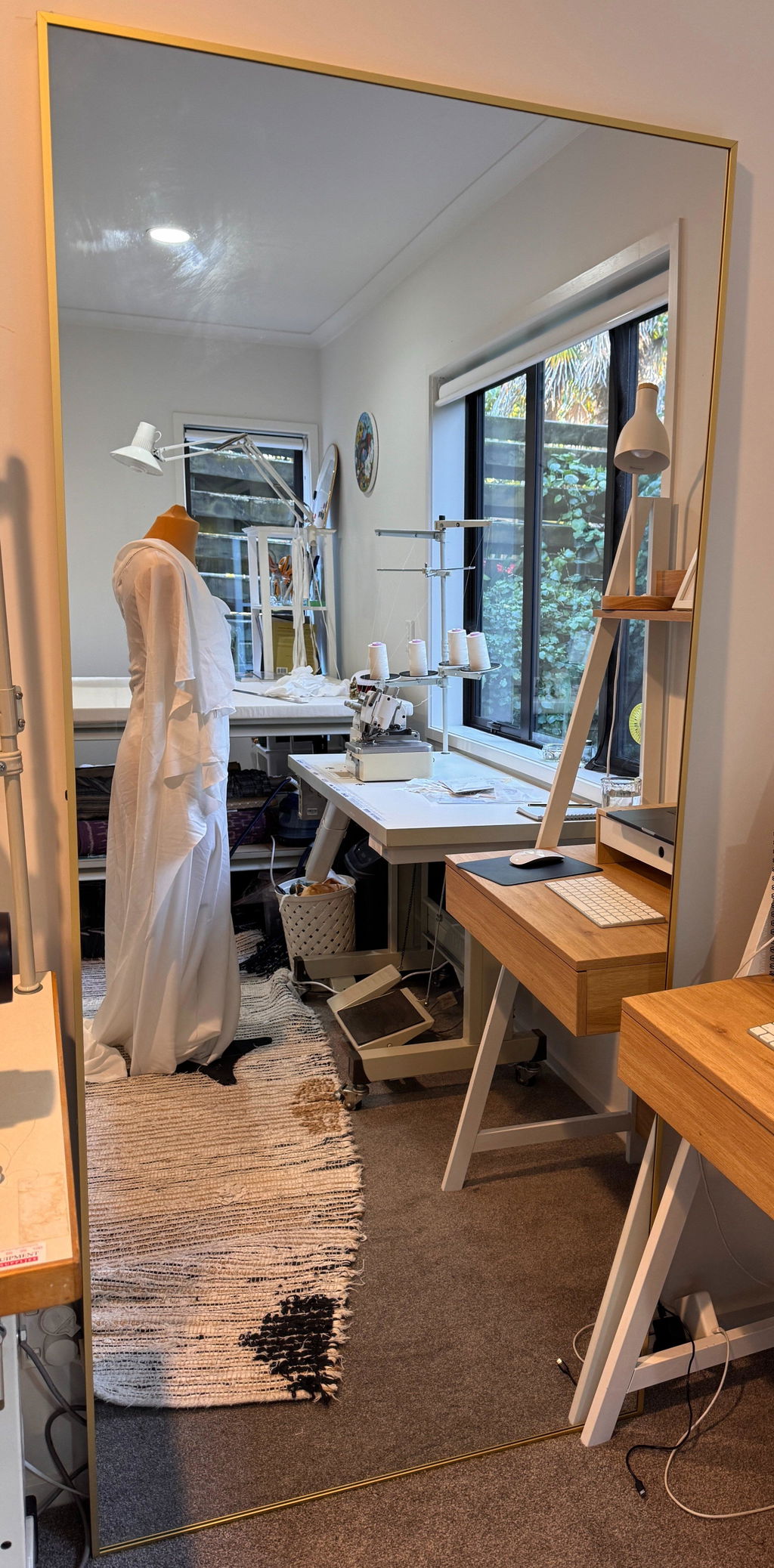
If you have ever stood in a store, stared at a row of full length mirrors, and felt completely overwhelmed, you are not alone. There is so much more to a mirror than just its reflection. The frame, the glass quality, the size, the shape, the way it sits in a room — all of it matters, and all of it can make a real difference to how your home looks and feels.
This guide covers everything you could want to know about buying a full length mirror in New Zealand in 2026. Whether you are furnishing a new home, upgrading a bedroom, or simply trying to find something that actually fits your space and your style, you will find what you need here.
A full length mirror may seem like a simple purchase, but it can genuinely transform a room. It bounces light around, creates a sense of depth, and gives you a proper head-to-toe view that a small bathroom mirror simply cannot offer. In smaller New Zealand homes and apartments, a well-placed full length mirror can make a room feel considerably bigger than it actually is.
Beyond the practical side, a full length mirror also adds a sense of polish and intention to a space. It says that the room has been thought about. Whether it is a sleek frameless piece leaning against a wall or a grand arched mirror standing in the corner of a bedroom, a mirror can anchor the entire aesthetic of a space.
Before you start browsing, it helps to know what you are actually looking for. There are a few key things worth thinking about.
The quality of the glass makes a bigger difference than most people expect. Cheap mirrors often use thin glass or low-grade reflective coatings, which can distort your reflection slightly. You may look a little wider, taller, or oddly shaped — not because of the mirror itself, but because the glass is not perfectly flat or the coating is uneven.
Low-iron glass tends to produce a cleaner, truer reflection. Standard glass has a slight green tint due to its iron content, which can affect the colour accuracy of what you see. If you want a mirror that shows you exactly as you are, it is worth looking for one that mentions low iron or high-clarity glass. The thickness of the glass also matters. Thicker glass is generally less prone to warping and tends to hold its shape over time, which means your reflection stays accurate for years.
The back of a mirror is coated with a reflective material. There are two main options worth understanding.
Aluminised mirrors use aluminium coating. They are durable and resistant to moisture, which matters in bathrooms and humid environments. They provide a clear, bright reflection and are more affordable.
Silvered mirrors use silver coating. They provide a slightly warmer, more luxurious-looking reflection. Some people prefer how they look. They are slightly more prone to moisture damage, so they are better in drier environments and cost more.
For most New Zealand homes, aluminised works perfectly well. If you are in a particularly humid area or you want that warmer aesthetic, silvered might be worth considering.
The frame is where the personality of a mirror comes through. There are a few broad categories to consider.
Arched mirrors have become enormously popular over the past few years, and it is easy to see why. The curved top adds a softness and elegance that works well in bedrooms, living areas, and entryways. They tend to feel sculptural rather than purely functional. Straight-edged mirrors offer a cleaner, more geometric look. They can feel more modern or minimalist, and they tend to work especially well in contemporary spaces or rooms with strong architectural lines. Frameless mirrors have a sleek, understated quality that can work in almost any setting.
Frame materials vary too. Painted MDF, solid wood, metal, and composite materials all behave differently in terms of durability, weight, and how they age. It is worth thinking about the conditions in the room where the mirror will live — for example, a bathroom-adjacent space with higher humidity may not be ideal for certain frame materials.
Size is perhaps the most practical consideration. A full length mirror should, as the name suggests, show your full length — which means it needs to be tall enough. Most people find that a mirror of around 170cm to 180cm in height is sufficient to see from head to toe, depending on their height and where the mirror is positioned. Width matters too. A mirror that is too narrow can feel cramped and may not give you a great view of your whole silhouette. Something around 70cm to 80cm wide tends to strike a good balance for most rooms.
For the complete height by width tables, including full body mirror sizing for taller Kiwis, our full length mirror size guide goes deeper on exactly what size to choose.
Shape affects both how a mirror functions and how it looks in your space. This is where personal style comes into play, and it is worth understanding the options before deciding.
Arched Mirrors
Arched mirrors have curved tops, usually in a gentle arch or more pronounced dome shape. They are particularly popular in 2026, and for good reason. The curved top softens angular rooms and creates a sense of elegance that works well in bedrooms, living areas, and entryways. The thing about arched mirrors is they feel timeless — they work with contemporary design, traditional design, and pretty much everything in between. If you are unsure about trends, an arched mirror is a safe choice that tends to stay looking good. Browse the arched mirror collection for examples.
Straight-Edged Mirrors
Straight-edged mirrors have clean lines and rectangular shapes. They are more contemporary and work well in modern homes. They are also more practical in tight spaces because there is no wasted area at the top. If you have limited wall space, a straight-edged mirror maximises the usable reflection area.
Round Mirrors
Round mirrors are having a moment, and they deserve it. They soften angular spaces and add visual interest. They work well in living rooms and hallways. The downside is they show less of your body than rectangular mirrors, so they are not ideal if you need a full length view for outfit checking. For a broader selection, see the wall mirror range.
This is one of the most common decisions people face, and there is no single right answer. Freestanding mirrors offer flexibility. You can move them around, lean them against different walls, and reposition them as your room evolves. They are also easier to install — there is no drilling required. Wall-mounted mirrors are fixed in place, which gives a cleaner, more built-in look. They are a good choice if you want the mirror to feel like a permanent part of the room rather than a piece of furniture. Some mirrors are designed to do both — they can lean against a wall freestanding, or be fixed to the wall with the included hardware. These hybrid options are popular because they give you the best of both worlds.
C&F Creation has been building a reputation as one of New Zealand's leading mirror retailers, and their range covers a wide variety of styles, sizes, and finishes. Here are some of the standout options from the full length mirror collection.
Placement is just as important as the mirror itself. A beautiful mirror in the wrong position may not serve you well.
The bedroom is the most common home for a full length mirror, and for good reason. Having a proper mirror in the bedroom makes getting dressed so much easier. The best positions are usually near the wardrobe, beside the window to catch natural light, or leaning against a wall where you can step back and see your full reflection without craning.
A full length mirror in the entryway is both practical and welcoming. It gives you a final check before you head out the door, and it can make a narrow hallway feel significantly wider and brighter. A slim arched mirror can work beautifully here without taking up too much visual space.
Using a full length mirror in the living room as a decorative piece is becoming increasingly popular. A large arched mirror leaned against a wall can act almost like a piece of art, and its reflective surface brings in light and makes the space feel larger. It works particularly well in lounge rooms that do not get a lot of direct sunlight.
A full length mirror in the bathroom can be a game changer, especially in smaller bathrooms where it creates an immediate sense of more space. Position it where it will reflect natural light if possible, or opposite a well-lit vanity area. In New Zealand homes with higher humidity levels, make sure there is adequate ventilation to protect the mirror backing over time. A larger mirror above or beside the vanity can make the entire bathroom feel bigger and brighter.
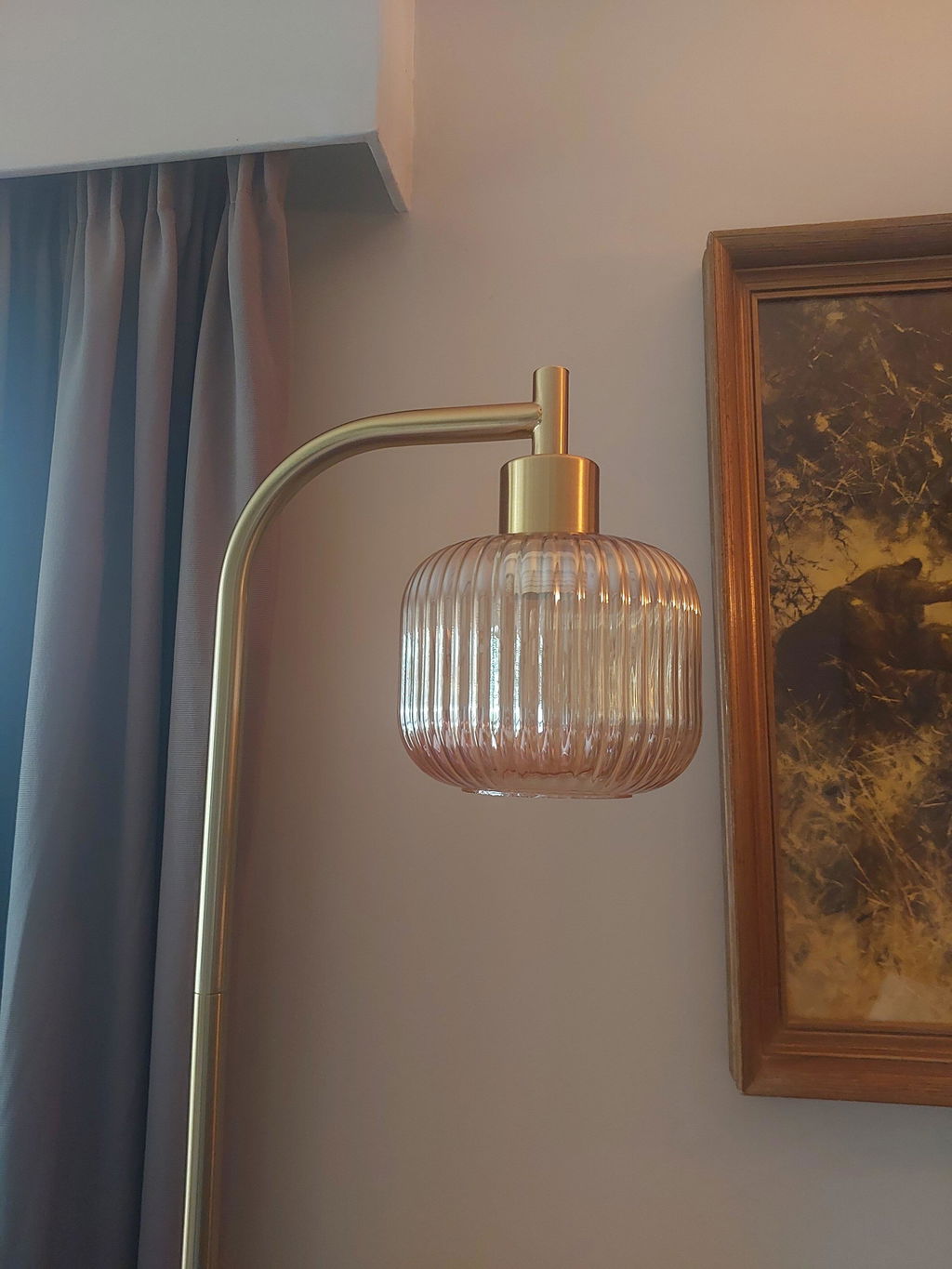
If you are lucky enough to have a dedicated dressing room or walk-in wardrobe, a full length mirror is essentially essential. Position it somewhere you can stand back far enough to see your whole outfit clearly. Good lighting nearby will make a huge difference too. Pairing your mirror with a quality floor lamp is a simple upgrade that can transform a dressing area into something genuinely special.
A few small things can make a big difference to how your mirror performs in a room.
Lighting matters enormously. A mirror reflects what is in front of it, so if the lighting in the room is poor, the reflection will be too. Positioning a mirror near a window or opposite a good light source can make the whole room feel brighter and more open.
Keeping the mirror clean is obvious but worth mentioning. Smudges and dust can dull the reflection significantly. A simple glass cleaner and a lint-free cloth, used regularly, will keep your mirror looking its best.
Once you have chosen your mirror, styling it makes a real difference to how it looks and feels in the room.
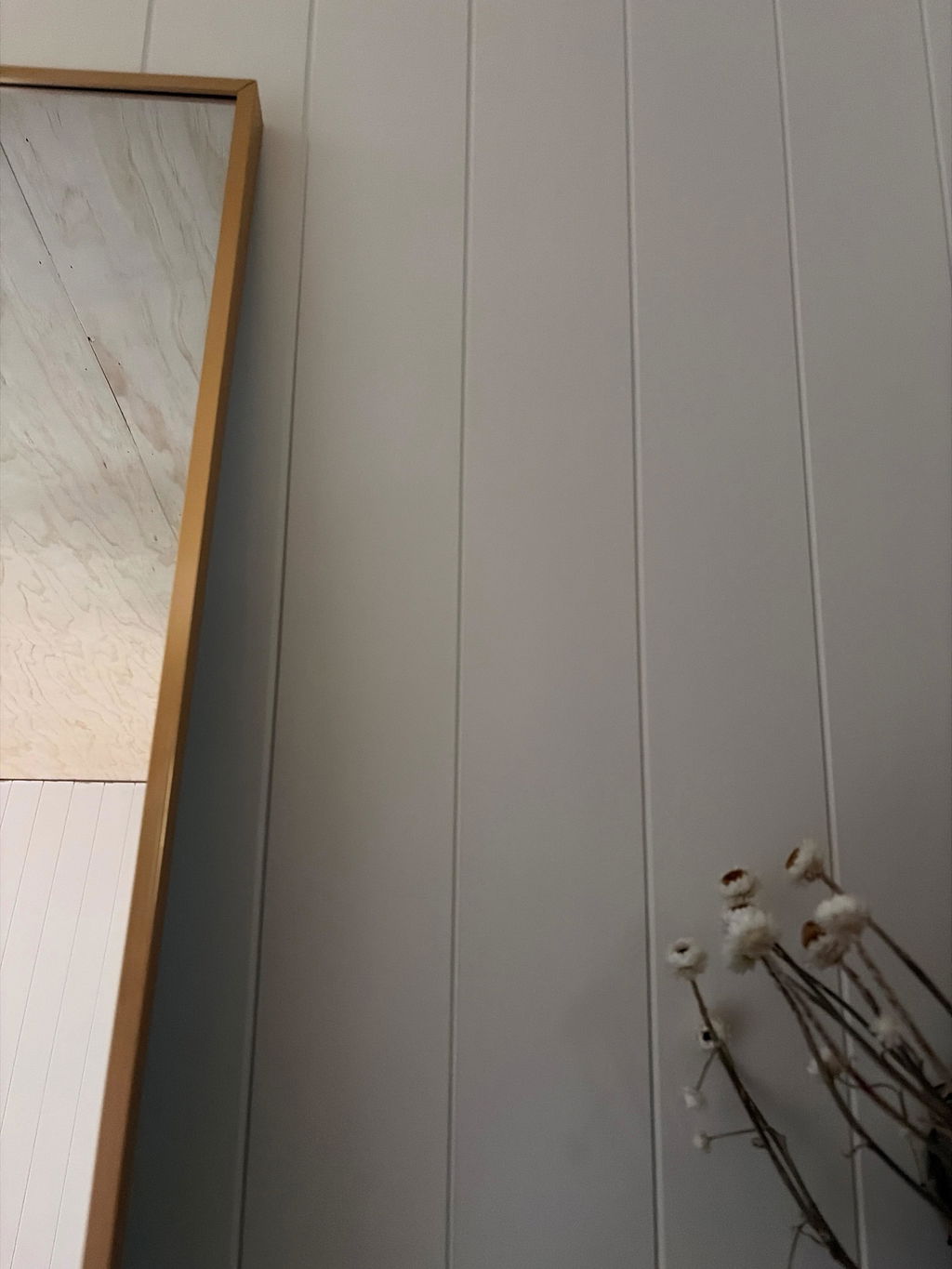
A mirror on its own, with clean lines and no clutter around it. This works well in contemporary spaces. It lets the mirror be the focal point without competing for attention. A frameless or slim-framed mirror leaning against a white wall is all you need.
A mirror with a console table underneath, a plant beside it, some artwork nearby. This creates visual interest and makes the mirror feel like part of a curated space rather than just a functional object. It works especially well in living rooms and entryways.
A large, statement mirror with elegant framing. Perhaps some gold or brass accents nearby, paired with soft lighting that highlights the mirror. This approach makes your mirror feel like a design investment rather than just something practical. Pair with a quality floor lamp for the full effect.
A mirror with interesting framing, surrounded by artwork, plants, and decorative objects. This works well if your home has a collected, personal feel. The mirror becomes part of a larger visual story rather than standing on its own.
There are a few common mistakes that are easy to avoid once you know about them.
Buying purely on price is one of the biggest ones. Very cheap mirrors often cut corners on glass quality or frame construction, which can lead to distorted reflections, frames that deteriorate quickly, or mirrors that simply do not last. It is usually worth spending a little more to get something that will stand the test of time.
Not measuring your space before buying is another common issue. A mirror that looks the right size online may feel overwhelming in a small bedroom or underwhelming in a large one. Measure the wall space you are working with, and ideally mark it out with tape on the floor or wall so you can get a sense of the proportions before you commit.
Overlooking the frame finish in relation to the rest of the room can lead to a mirror that feels out of place. Think about the colours, materials, and overall aesthetic of the room, and try to find a mirror that feels like a natural part of that environment rather than something that has been dropped in from a different design world.
Buying in New Zealand does come with a few practical nuances worth knowing about. Shipping large mirrors can be complex, and it pays to check what the delivery terms include. Some retailers offer white-glove delivery or room placement, which can be genuinely useful for larger, heavier mirrors. C&F Creation offers nationwide delivery, which is helpful for customers outside the main centres.
Lead times can vary, especially for popular styles. If you are furnishing a home by a particular date, it is worth confirming stock availability and expected delivery times before placing an order. New Zealand's building regulations around mirror installation are generally straightforward, but it is always a good idea to ensure that any fixings are going into studs or using appropriate wall anchors for the weight of the mirror.
Mirror prices vary significantly, and understanding what affects price helps you make a good decision. The biggest factors are size, glass quality, frame materials, and brand. Larger mirrors cost more, low iron glass costs more than standard, and design complexity affects the final price.
An expensive mirror is not always better. A well-made mid-range mirror often outperforms a poorly made expensive one. What matters is that it is well-constructed, uses decent materials, and will last. Focus on glass quality and frame durability rather than brand names alone.
C&F Creation makes their mirrors rather than reselling them. This means better quality at lower prices than traditional retail. You are paying for the product itself, not for multiple layers of distribution. This is worth knowing when comparing prices across different retailers. Browse the full length mirror collection to see the value on offer.
With a bit of care, a good mirror should last for many years. Avoid placing mirrors in direct sunlight for extended periods. While mirrors do not fade the way fabric or artwork might, prolonged direct sun exposure can sometimes affect the reflective backing over time. In humid environments such as bathrooms or laundry areas, make sure there is adequate ventilation. Moisture can affect mirror backings and frames if it is not managed well.
When moving a mirror, always carry it vertically rather than horizontally. Glass under its own weight can flex and even crack when carried flat, particularly for larger pieces.
What size full length mirror should I get?
For most people, a mirror between 170cm and 180cm tall and 70cm to 80cm wide offers a good full length view. If you are taller than average, or if you want a more generous reflection, going larger makes sense.
Should I lean or hang my full length mirror?
Both options work well. Leaning tends to give a more relaxed, lifestyle feel and is easier to reposition. Hanging creates a cleaner, more intentional look. Some mirrors are designed to do both.
How do I know if a mirror will distort my reflection?
Distortion usually comes from thin or lower-quality glass, or from coatings that are not perfectly even. Mirrors that specify low iron glass or high-clarity glass tend to be more accurate. Reading reviews from other buyers can also give you a sense of what to expect.
Are more expensive mirrors worth it?
Generally, yes — up to a point. The biggest improvements in going from cheap to mid-range tend to be in glass quality and frame durability. Beyond mid-range, the differences are often more about aesthetics and craftsmanship than functional performance.
Can a full length mirror make a room look bigger?
It certainly can. Placing a large mirror opposite a window or in a position where it reflects light and space back into the room is one of the most effective decorating tricks for small spaces.
There is a full length mirror out there for every kind of home, every kind of style, and every kind of budget. The key is knowing what you are looking for before you start browsing, so that you can cut through the noise and find something that genuinely works for your space.
The C&F Creation full length mirror collection is a great place to start if you are based in New Zealand. The range covers arched, straight-edged, and frameless styles across a variety of sizes, and the focus on glass quality means you are getting a reflection you can trust. Whether you are after something understated and minimal, something bold and sculptural, or something warm and timeless, there is likely something in the range that will feel right at home.