Thinking about where to place a full length mirror in your home? You're not alone. It's one of those questions that sounds simple until you're standing in the middle of a room, mirror in hand, wondering if the corner by the wardrobe is better or if the wall opposite the window might work more effectively.
A well-placed mirror can genuinely transform a room. It might bounce light into a dark corner, make a compact bedroom feel twice the size, or give a hallway that polished finishing touch. But put one in the wrong spot and it can feel awkward or visually cluttered.
This guide walks through each room in your home, sharing ideas on where a full length mirror tends to work well and what to consider before you commit.
Most people gravitate toward the bedroom first, and for good reason. A full length mirror in your bedroom is genuinely useful. It lets you check your whole outfit before heading out, helps with getting dressed efficiently, and adds a sense of depth to what is often the most personal space in the house.
One of the most practical spots is beside or inside a built-in wardrobe. If your wardrobe does not have a mirror built in, leaning a freestanding mirror against the adjacent wall can serve the same purpose. You get easy access when you need it, and when you are not dressing, it simply blends into the room.
If you prefer a more casual, editorial feel, leaning a large mirror against a wall has become a popular styling choice. It creates a relaxed vibe and is forgiving if you are renting or not ready to commit to hooks and fixings. The key is making sure the wall behind it has something worth reflecting — a styled shelf, a piece of art, or good natural light.
Placing a mirror directly opposite a bedroom window can amplify natural light noticeably. This works especially well in smaller rooms or rooms that face south and feel a bit dim. The reflection of the sky and outdoors gives the room a more open, airy quality.
Hallways are one of the most traditional spots for a full length mirror, and the logic makes sense. You get that last-minute check before leaving the house. The mirror helps elongate what is often a narrow, low-lit space. And it gives visitors an immediate impression of style when they walk in.
In a narrow hallway, placing a full length mirror at the far end creates a visual extension of the corridor. The reflection makes the hall appear longer and often wider. This is a well-known technique for apartments and terraced homes where hallways tend to be compact.
Placing a mirror on the wall closest to the front door gives you that quick check before you head out. It is functional but also creates a welcoming focal point without overwhelming the space. If your hallway has a console table, pairing a leaning or wall-hung full length mirror behind it creates a layered, intentional look that is popular in New Zealand interior design at the moment.
A full length mirror in the living room is less about function and more about visual impact. Done well, it can look incredibly considered. Done poorly, it can feel like you simply ran out of wall space and needed somewhere to put it.
Leaning an oversized arched mirror against the main wall of your living room — particularly behind a sofa or beside a fireplace — adds height and character. Arched mirrors are having a real moment in New Zealand homes right now. Their softened shape adds something organic to spaces that can sometimes feel quite square and boxy.
For a truly grand presence, the Grandeur X Arched Full Length Floor Mirror (200 x 100cm) may be worth considering. At 200cm tall it can become an actual focal point of the room — something you design around rather than fit in.
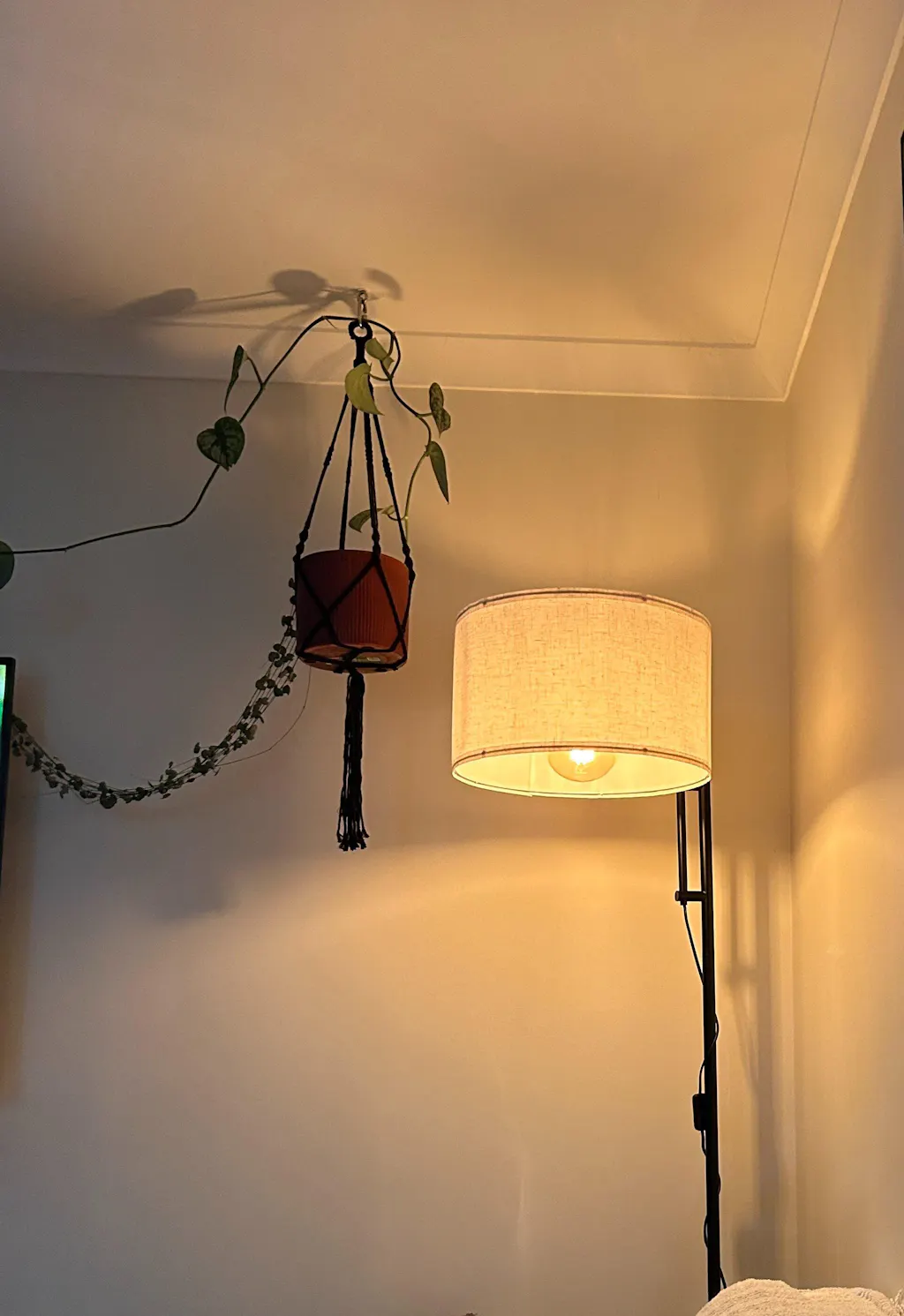
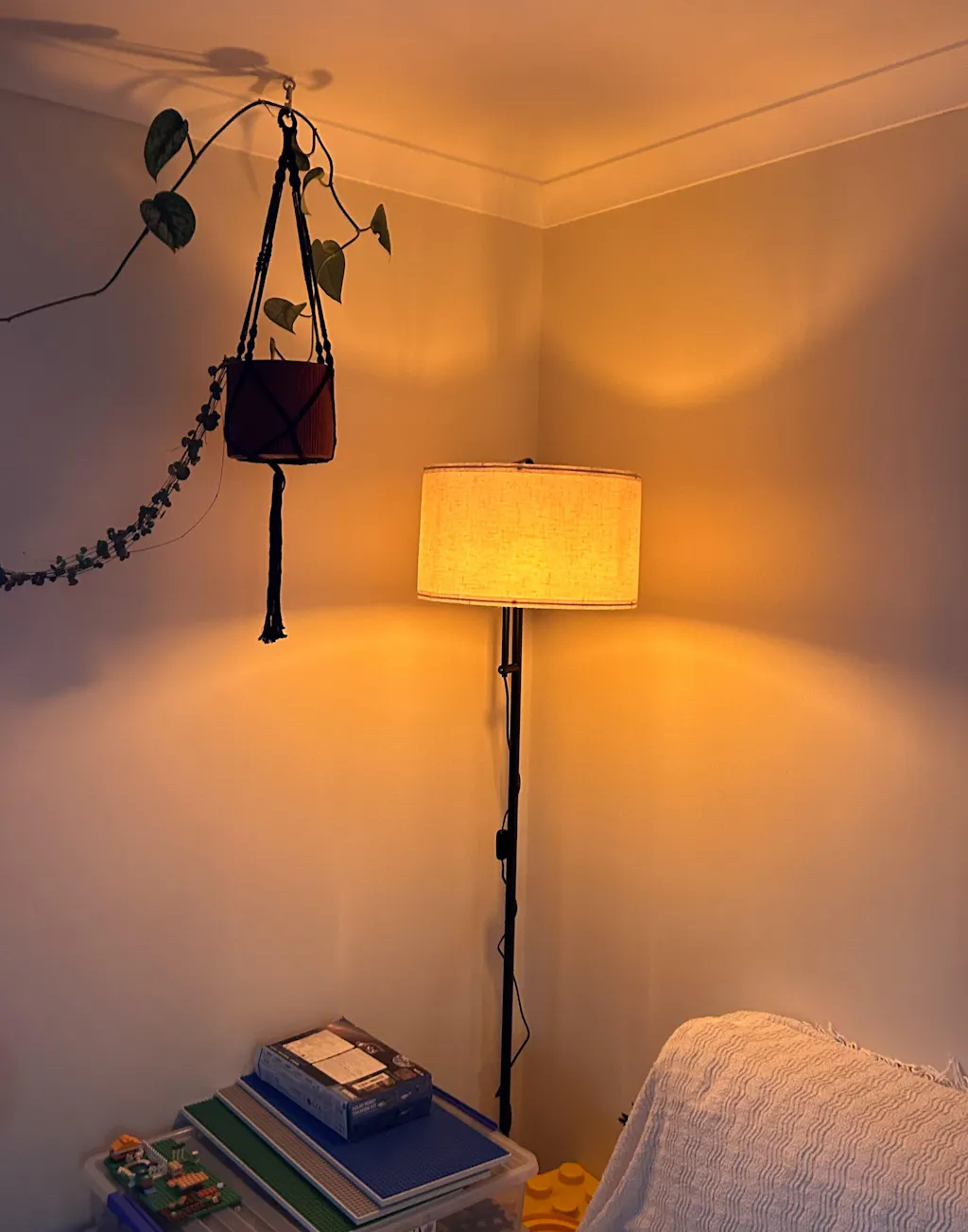
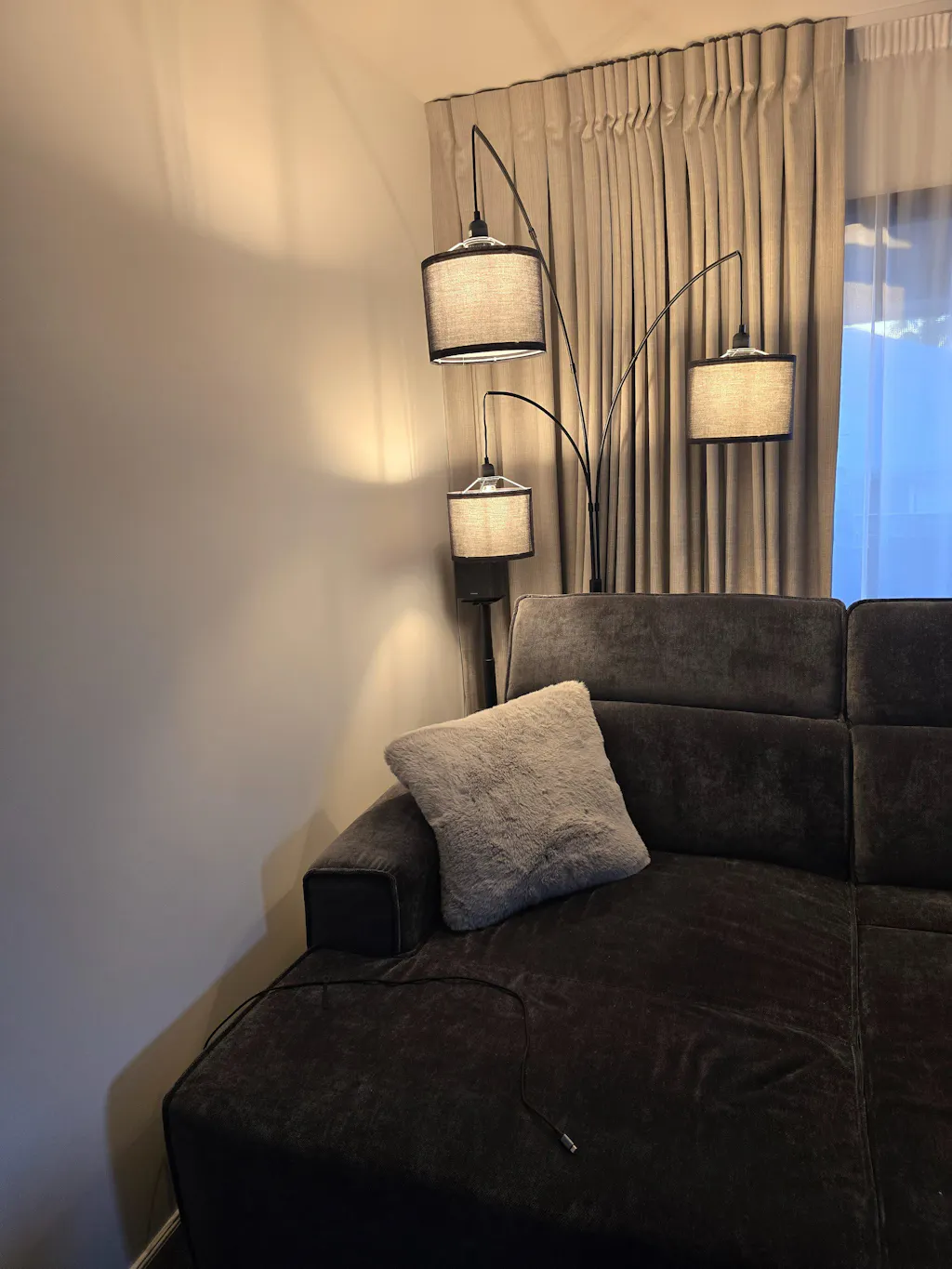
Leaning a mirror beside a floor lamp creates a classic pairing that is both warm and stylish. The light source and the reflective surface work together to make a corner feel intentional and inviting rather than forgotten. It is one of those combinations that always photographs well, too.
In New Zealand, it is common to have a mirror above the vanity in the bathroom, but a full length mirror in the bathroom — especially in an ensuite or larger bathroom — adds a practical layer that a small cabinet mirror simply cannot provide.
One of the most space-efficient options is a mirror mounted on the back of the bathroom door. It is hidden when not in use, does not take up wall or floor space, and is instantly accessible when you are getting ready. Just be aware of the weight — door-mounted mirrors need to be secured properly, and the hinges should be sturdy enough to handle the added load.
If your bathroom has the space, a full length mirror on a side wall — away from areas that receive direct splash or heavy steam — can make the room feel significantly larger and more luxurious. A frameless or minimal-frame mirror tends to work best in bathrooms as it is easier to keep clean and resists moisture more effectively.
If you are lucky enough to have a dressing room or walk in wardrobe, a full length mirror is essentially non-negotiable. Two mirrors placed at angles to each other — sometimes called a three way mirror configuration — let you see both the front and back of an outfit, which makes getting dressed faster and more confident. A walk in wardrobe without a full length mirror is just a glorified storage corridor, and a mirror at the right scale turns it into something that earns its floor space every morning.
The placement rules for a walk in robe are different from a bedroom or hallway. You are usually working with a long, narrow footprint, often a single point of light from a ceiling pendant or a row of LED strips, and a sightline that needs to clear hanging rails, drawer fronts and shelves without being interrupted. The mirror has to work as a real form check tool, not just a pretty wall piece.
Walk in wardrobes in Kiwi homes tend to fall into three rough sizes, and each one has a different ideal mirror.
Narrow walk in (1.0 to 1.2m wide). Common in townhouses and 1990s-onwards spec builds. A 180 x 80cm to 180 x 90cm mirror on the end wall is the sweet spot — tall enough for a head to toe check, narrow enough to leave room for a hanging rail or shoe shelving on the side walls. Avoid anything wider than 90cm or it visually crowds the corridor.
Standard walk in (1.6 to 2.0m wide). The most common layout in mid 2000s onwards builds. A 200 x 100cm rectangular or 180 x 120cm arched mirror fits comfortably on the end wall and gives you enough width to see your full silhouette including shoulders and accessories. This is also the size where a frameless edge starts to look intentional rather than budget.
Large walk in (2.0m+ wide). Owner-built homes, renovations and architect-designed builds. Go to 220 x 120cm. At this scale the mirror becomes a feature wall rather than a functional fixture, and the extra width means two people can dress in the room at the same time without queueing for the reflection.
The three common walk in wardrobe layouts each call for a different mirror placement, and getting this right matters more than the mirror itself.
End wall layout (most common). Storage runs down one or both side walls and the far end is bare wall or a window. Place the mirror centred on the end wall. This is the layout where a tall portrait rectangle or arch works best — it lets you walk the length of the robe, stop in front of the mirror, and check the outfit straight on. If there is a window on the end wall, mount the mirror on the side wall instead so the daylight falls onto the reflection rather than behind it.
Parallel wall layout. Storage runs down both long walls and the corridor between is just wide enough to walk. This is the layout where the reflective corridor effect comes alive — a mirror at one end and another on the inside of the door at the entry creates the three way view that designers chase. If you only have one mirror to work with, put it on the inside of the door so you see the outfit when you exit, and use the end wall for a styled display (perfumes, jewellery tray, framed art).
L shape layout. Storage forms an L around two walls, with the open corner left clear. This is the layout where a leaning floor mirror in the open corner shines — it doubles as a sculptural object when not in use and pulls the room together visually. The arched frameless silhouette reads cleanest here because it softens the right angles of the wardrobe units.
Lighting is the part most people get wrong. A walk in wardrobe is usually lit from a single overhead pendant or a row of LED strips along the top of the storage units. Both cast shadows downward across the face and torso when you stand in front of a mirror — exactly where you need to see colour and fit accurately.
Three rules that fix it:
Light the reflection, not the mirror. The light source should be behind you when you face the mirror, falling onto your front. If your only light is directly above the mirror, the reflection of your face will sit in shadow.
Use 3000K to 4000K colour temperature for LEDs. Warmer than 3000K reads orange and skews skin tone. Cooler than 4000K reads clinical and washes out fabric colours, particularly navy, charcoal and forest green — the colours most Kiwi wardrobes are built around.
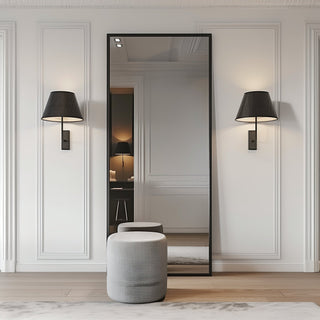
Add a low pendant or wall sconce at face height if you can. A single sconce at 1.5m on the wall beside the mirror, switched separately, gives you the soft side light that makeup mirrors use. This is the lighting trick that turns a functional robe into a properly considered dressing room.
Most NZ homes don't have a walk in wardrobe. The standard is a wardrobe with sliding or hinged doors built into a bedroom wall. The placement question still matters, and there are three legitimate variants depending on the layout.
Inside the door. A full length mirror mounted on the inside of a hinged wardrobe door tucks the reflection out of sight when the door is closed, then swings into view when you open it. The mirror needs to be a true wall mount — not a stick on or adhesive version, which tend to peel and sag on a moving door — and the hinges need to be rated for the extra weight (most standard wardrobe hinges handle a 15 to 20kg mirror; a 200 x 100cm mirror at 28kg may need an upgrade to soft close European hinges).
On the wardrobe door front. Less common, but works when the wardrobe sits in a hallway or dressing nook where the door is rarely closed. A slim, framed mirror flush mounted on the door front turns the closed wardrobe into the dressing mirror for the room.
Beside the wardrobe. The most flexible option — a freestanding or wall mounted mirror placed beside the wardrobe so you can check an outfit while accessing the storage. This is the layout the existing bedroom section of this guide covers in depth (see Full Length Bedroom Mirror Guide for bedroom-specific sightline rules).
If you are renting and can't drill, the inside-of-the-door option is off the table — adhesive mirrors fail on moving doors. The renter friendly approach is a leaning floor mirror beside the wardrobe, secured with a tension cord rather than a wall screw. Our no drill mirror mounting guide covers the specific products and anchor systems that work without damaging plasterboard, and the same logic applies to a closet area: lean, don't drill, secure the top with a cord or tension rod to a piece of furniture, never to the wardrobe door itself.
For small bedroom walk in nooks where floor space is tight, a wall mounted round mirror at the entry corner gives a quick outfit check without needing the full body height. The Aure Round 100cm sits at face and chest height when mounted at standard eye level and reads as a styling piece rather than a functional mirror.
A proper three way mirror — the kind tailors use to check the back of a jacket — is rare in residential walk in wardrobes because it needs three pieces of glass at specific angles. The closest practical setup is one mirror on the end wall and two side mirrors on either side at a 15 to 20 degree angle. If your walk in is wide enough to support it, the visual experience is genuinely useful: you see the full back of an outfit without contorting.
For most Kiwi homes the simpler version is one full length on the end wall plus a smaller round or rectangle mirror on the opposite wall (or on the inside of the entry door). The reflection of the back of the outfit shows up in the smaller mirror over your shoulder. Less glamorous than a tailor's three way, but it gets the job done and doesn't require a 2m+ wide walk in.
For a deeper read on the lean vs wall mount decision specifically, the freestanding vs wall mounted comparison covers the trade-offs in detail. And if you want the outfit-check sightline rules — distance, tilt, and the difference between a static dressing mirror and a dynamic form check mirror — the dressing mirror placement guide is the sibling reference.
Full length mirrors in kids' rooms are more common than you might think. Children engage with mirrors differently to adults — they are used for dress-ups, imaginative play, and checking out costumes and outfits.
If you are placing a mirror in a child's room, safety is the primary consideration. Leaning mirrors should be secured to the wall to prevent tipping. Shatter-resistant glass is a good idea in any home but especially in spaces where children are playing energetically. Positioning the mirror lower on the wall — at child height rather than adult height — also makes it genuinely useful for them.
A full length mirror in a home gym is a very functional choice. It lets you check your form during exercise and makes the room feel larger and more professional. A wide mirror, or multiple mirrors placed side by side, can create a studio-like effect that many people find quite motivating.
This one is less common but can work beautifully in the right space. A large mirror in a dining room reflects candlelight or pendant lighting during dinner, creating a warm, atmospheric glow. It also gives the room a sense of occasion and can make a modest dining room feel more generous in size.
Before finalising where to put your full length mirror, a few practical checks are worth doing.
Height. The mirror should ideally allow someone of average height to see from head to toe. For most adults, the top of the mirror wants to sit roughly at eye level or slightly above, with the bottom around ten to fifteen centimetres off the floor.
Wall strength. If you are wall-mounting, make sure you are drilling into studs or using appropriate wall anchors for the weight. Heavy mirrors need solid fixing points and the right hardware for the job.
Lighting. Natural light from a nearby window almost always flatters, while overhead downlighting can cast unflattering shadows. The closer you can position a mirror to good natural light, the better the reflection tends to be.
Safety. In households with children or pets, securing any leaning mirror to the wall is strongly recommended. Anti-tip straps or mirror safety fixings are relatively inexpensive and give real peace of mind.
The placement conversation and the mirror selection conversation are closely linked. A large ornate arched mirror that works beautifully as a living room statement piece might feel overpowering in a compact hallway. A slim frameless mirror that sits neatly beside a bedroom wardrobe might disappear in a large open-plan space.
Browse the full C&F Creation full length mirror collection to find mirrors suited to different rooms and styles. Whether you are after something architectural and bold or sleek and understated, there may well be something that fits your space perfectly.
For a bedroom or hallway where you want something clean and considered without too much visual weight, the Solene X Straight-Edged Full Length Mirror (170 x 70cm) offers a compact footprint that suits smaller rooms without feeling out of proportion. For a grander statement in a living room or entryway, the Le Beau Arched Window Full Length Mirror (190 x 90cm) has genuine presence.
A full length mirror is one of those pieces that genuinely rewards thoughtful placement. Take a bit of time to consider the light, the sightlines, and what the mirror will reflect. Get those things right, and it can truly elevate a room in a way that is hard to achieve with any other single piece.
Frequently asked questions about full length mirror placement
Where is the best place to put a full length mirror in a bedroom?
Opposite a window if you have one — the mirror doubles the daylight and makes the room feel twice the size. If not, beside the wardrobe or leaning against a feature wall at a 3-5 degree forward tilt. Avoid placing it at the foot of the bed if feng shui matters to you, and avoid directly opposite the door so you are not greeted by your reflection every time you walk in.
How high should a full length mirror sit off the floor?
For wall mounted full length mirrors, leave at least 10cm clearance above the skirting board. That keeps the mirror readable from 2m away without the angle cutting your feet off. Leaning mirrors sit directly on the floor with a soft pad between mirror and floor to stop scratches.
Should a full length mirror lean or be wall mounted?
Leaning works for most NZ bedrooms and is renter-friendly. Wall-mounting is safer in earthquake zones (all of NZ, especially Wellington and Canterbury) and homes with young children or pets. For leaning, secure the top with a cord or a single wall screw to prevent toppling.
Can I put a full length mirror in a hallway?
Yes — and it is one of the highest-impact placements in a Kiwi home. Most NZ hallways are 1-1.2m wide and under-lit. A 160-180cm arch or rectangle mirror at the end of the hall visually doubles its length and bounces light back as you walk through.
What size full length mirror do I need for my room?
Rule of thumb: match the taller partner's height + 10cm for a bedroom (usually 180-200cm). Use 160-180cm for hallways where wall space is limited. Go 190-220cm for living room statement pieces. Kiwis consistently undersize mirrors — when in doubt, go bigger.
Will a full length mirror increase the light in a dark room?
Yes, especially if placed opposite or perpendicular to a window or light source. The mirror reflects natural light deeper into the room. In south-facing NZ rooms that genuinely go dim in winter, a well-placed mirror can feel like adding a second window.
What size full length mirror should I put in a walk in wardrobe?
Match the mirror to the walk in width. A 1.0 to 1.2m narrow walk in works best with a 180 x 80cm to 180 x 90cm mirror on the end wall. A standard 1.6 to 2.0m walk in supports a 200 x 100cm rectangle or 180 x 120cm arch. A large 2.0m+ walk in can take a 220 x 120cm mirror as a feature piece. The rough rule is walk in width minus 30cm equals maximum mirror width that still feels considered.
Should a walk in wardrobe mirror go on the door or the wall?
End wall is the most common and gets the head to toe check right. The inside of a hinged wardrobe door works if you have a built in bedroom wardrobe without a true walk in, but the door hinges need to be rated for the mirror weight — most standard hinges handle up to 15 to 20kg, so a 200 x 100cm mirror at 28kg may need upgraded soft close European hinges. For renters, lean a mirror beside the wardrobe rather than attaching anything to the door itself.
How do I light a walk in wardrobe mirror so the reflection is accurate?
Three rules. First, the light source should be behind you when you face the mirror, falling onto your front rather than the mirror itself. Second, use 3000K to 4000K LED colour temperature — warmer reads orange, cooler washes out fabric colours. Third, add a low pendant or wall sconce at face height beside the mirror on a separate switch, so you have side light for honest checks without the overhead glare.
NZ wide delivery via Mainfreight at live rates. Tracking included.