Mirrors have come a long way from being purely functional items. In New Zealand homes today they play a central role in how a room feels, how light moves through a space, and how your style comes across the moment someone walks in. Whether you are decorating a brand new home, updating a tired bedroom, or trying to make a smaller apartment feel more open, choosing the right mirror can make a genuine difference.
This guide covers every major mirror style, shape, and size available in New Zealand in 2026. By the end you should feel confident about what you need and why.
New Zealand homes vary quite a bit. From open plan coastal baches to compact inner-city apartments and sprawling rural farmhouses, the range of spaces Kiwis live in is enormous. What they often share is a desire for rooms that feel light, warm, and considered. A well-placed mirror can help with all three.
Mirrors reflect natural light, making rooms appear brighter without any additional fixtures. They can create the visual impression of more space, which is particularly useful in bedrooms and hallways. And perhaps most importantly, they serve as a genuine style statement in their own right.
The challenge is knowing which type of mirror suits which space. That is exactly what this guide will walk you through.
If there is one mirror category that has taken off in New Zealand homes over the past few years it is the full length mirror. These are mirrors tall enough to reflect your entire body, typically starting at around 150cm in height and going up to 200cm or more.
They are a practical necessity in bedrooms and dressing areas, but they also work beautifully in entryways, living rooms, and even wider hallways.
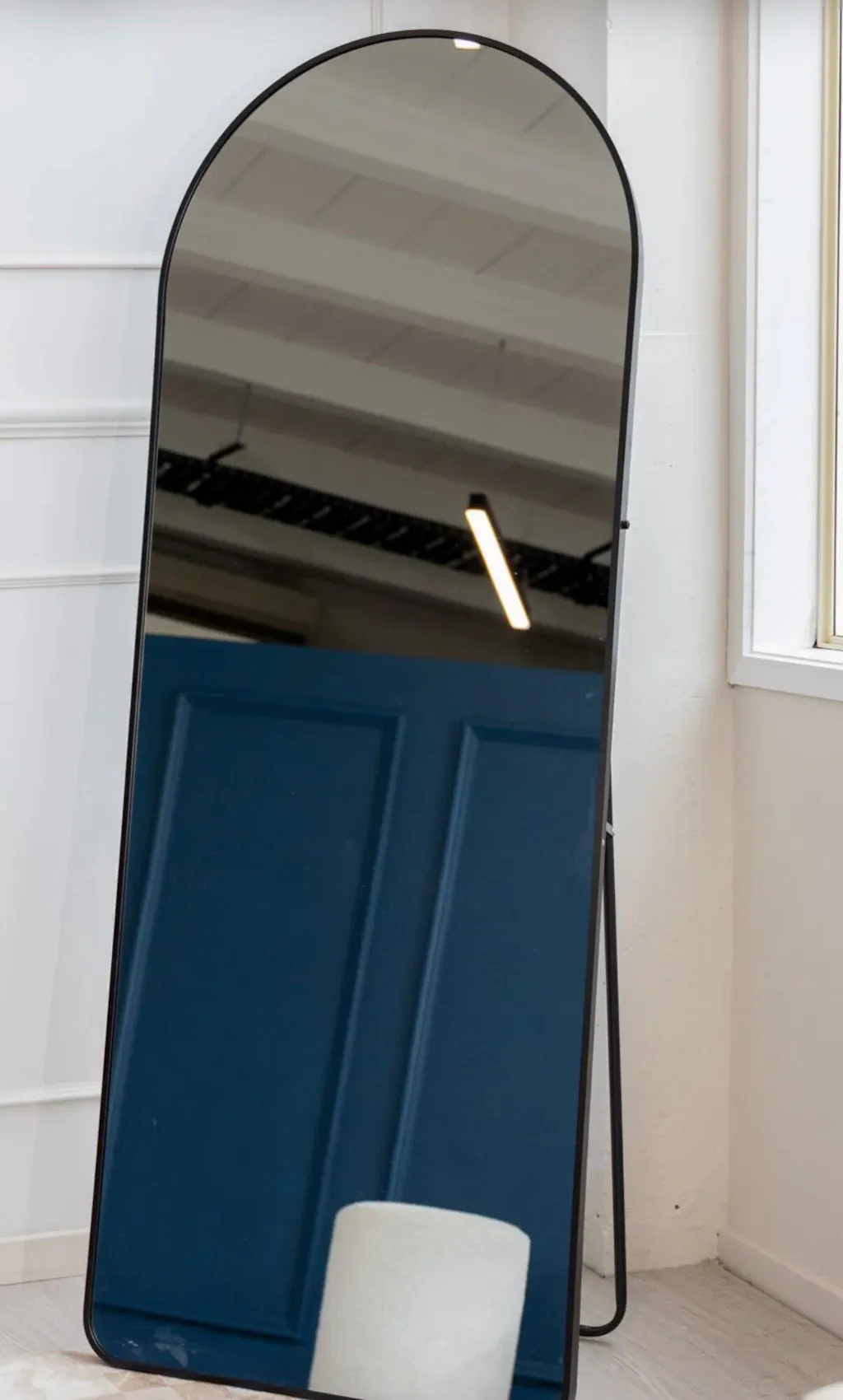
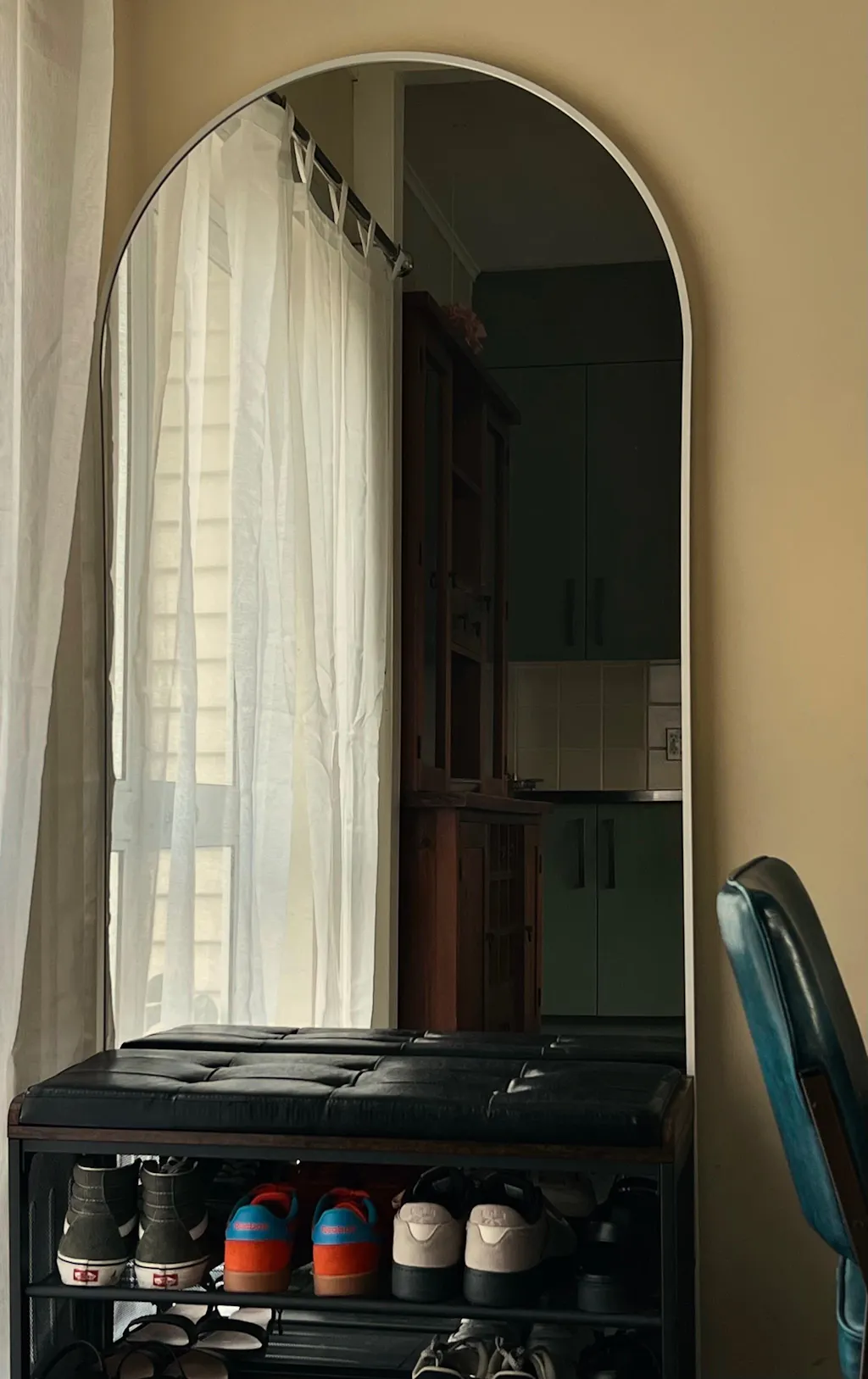
The arched full length mirror is arguably the most popular style in NZ right now. The curved top adds a soft, architectural quality that works in almost any interior. From boho to Scandinavian minimalist to classic New Zealand villa, the arch tends to feel at home.
Arched mirrors tend to be particularly flattering in bedrooms. The curve at the top draws the eye upward, which can make a room feel taller than it actually is. In smaller bedrooms this kind of visual effect is genuinely useful.
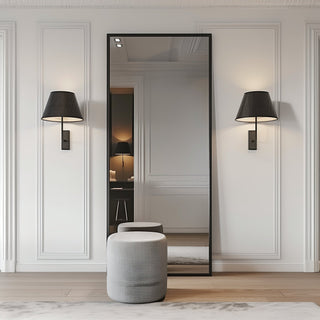
Not everyone wants the curved look. Straight edge full length mirrors suit more contemporary or industrial interiors where clean geometry is the priority. They can also work well in spaces that already have a lot of curves, where a rectangular mirror adds a counterpoint.
When a room calls for drama, an oversized floor mirror may be just the thing. These are designed to be leaned against a wall at floor level, creating a gallery-style effect that feels relaxed and considered at the same time.
Wall mirrors are a different category altogether. Smaller than full length mirrors in most cases, they are designed to be mounted on the wall and used for a specific purpose. Whether that is checking your appearance in a hallway, adding visual interest to a living room, or creating the impression of a window where there is not one.
Round mirrors have remained consistently popular in New Zealand interiors because of their versatility. A well-proportioned round mirror softens a room with otherwise straight edges and adds a sense of flow that rectangular shapes simply cannot replicate.
Some mirrors are designed less as functional items and more as decorative focal points. The Le Vue Window Wall Mirror at 120 by 100cm falls into this category. Designed to resemble a window frame it creates the illusion of an opening in the wall, which can be especially effective in rooms with limited natural light or awkward layouts.
These kinds of mirrors tend to work best in living rooms, dining rooms, or hallways where they can be appreciated from a distance.
Mirror sizing is one of the areas where people tend to second-guess themselves most. There are a few general principles that can help, though the right size is always somewhat subjective.
For full length mirrors, consider the height of the room as much as your own height. A 170 to 180cm mirror works well in most standard New Zealand rooms with 2.4 metre ceilings. If you have higher ceilings or a particularly large room, a 200cm mirror can feel more proportionate.
Width is also worth thinking about. A full length mirror that is 70 to 80cm wide will suit most bedrooms and dressing areas. If you want something that also reflects the room itself rather than just the person in front of it, 90 to 100cm wide may serve you better.
For wall mirrors, a widely used guide is that the mirror should be roughly two thirds the width of any furniture it sits above. So if you have a 120cm wide console table, a mirror around 80cm wide tends to look more balanced than something much larger or smaller.
The arch versus rectangle question often comes down to the overall mood of your home. Arched mirrors tend to suit warmer, more relaxed aesthetics. Think natural textures, warm lighting, and layers of soft furnishings. Rectangular mirrors can work in similar spaces but feel a little more structured and modern.
In a room that is already quite clean and geometric, an arched mirror can introduce a welcome softness. In a room that is already quite soft and organic, either shape tends to work.
Round mirrors tend to be more prevalent than oval mirrors in current NZ interior design. That said, an oval can offer a more classic or vintage feel that suits certain rooms beautifully. Both shapes soften a space in a way that rectangular mirrors do not.
If you are choosing between the two, consider the other shapes already in the room. A lot of rounded forms alongside a round mirror can start to feel like there are no anchor points. In that case an oval might offer a slightly more structured alternative.
Thin metal frames in black, gold, or brushed brass are currently popular across New Zealand. They are visually light, meaning the mirror reads as a mirror rather than as heavy furniture. They tend to suit a wide range of interior styles. A thin black frame works in a minimalist Scandi interior. A thin brushed gold frame suits warmer, more layered rooms.
The appeal of thin metal frames is that they add definition without demanding attention. The mirror does the work.
Heavier frames in wood or resin tend to read as more traditional or artisanal. They suit homes with older character details such as leadlight windows, ornate cornicing, or rimu floors. They also work well in eclectic or bohemian interiors that lean into layered, collected styling.
Frameless mirrors have a clean, contemporary quality that suits modern bathrooms, dressing rooms, and commercial spaces particularly well. In a residential setting a frameless full length mirror can feel quite striking when leaned against a textured wall, as the contrast between the clean glass edge and the wall behind it creates its own kind of detail.
The most common placement for a full length mirror in a bedroom is either leaning against or mounted on the wall beside the wardrobe. This makes it practical for getting dressed while keeping it out of direct sight from the bed, which some people find distracting.
If your room is on the smaller side, placing a full length mirror on the wall opposite a window can help bounce light around and make the space feel meaningfully bigger.
A mirror in the entryway is a classic move. It gives you a final check before heading out and adds a sense of arrival to what can otherwise be a functional and overlooked space. Narrow console mirrors or tall floor mirrors tend to work well here depending on the width of your hallway.
Avoid placing a mirror directly opposite the front door in a narrow hallway as it can feel slightly confrontational when you walk in. Off to one side tends to work better.
In a living room a large wall mirror or an oversized floor mirror can serve as a kind of artwork. Position it to reflect a window, a lamp, or something else visually interesting rather than a television or a wall of clutter.
A well-placed living room mirror can also make the most of evening lighting. When daylight fades a mirror that reflects warm lamp light can transform how a room feels.
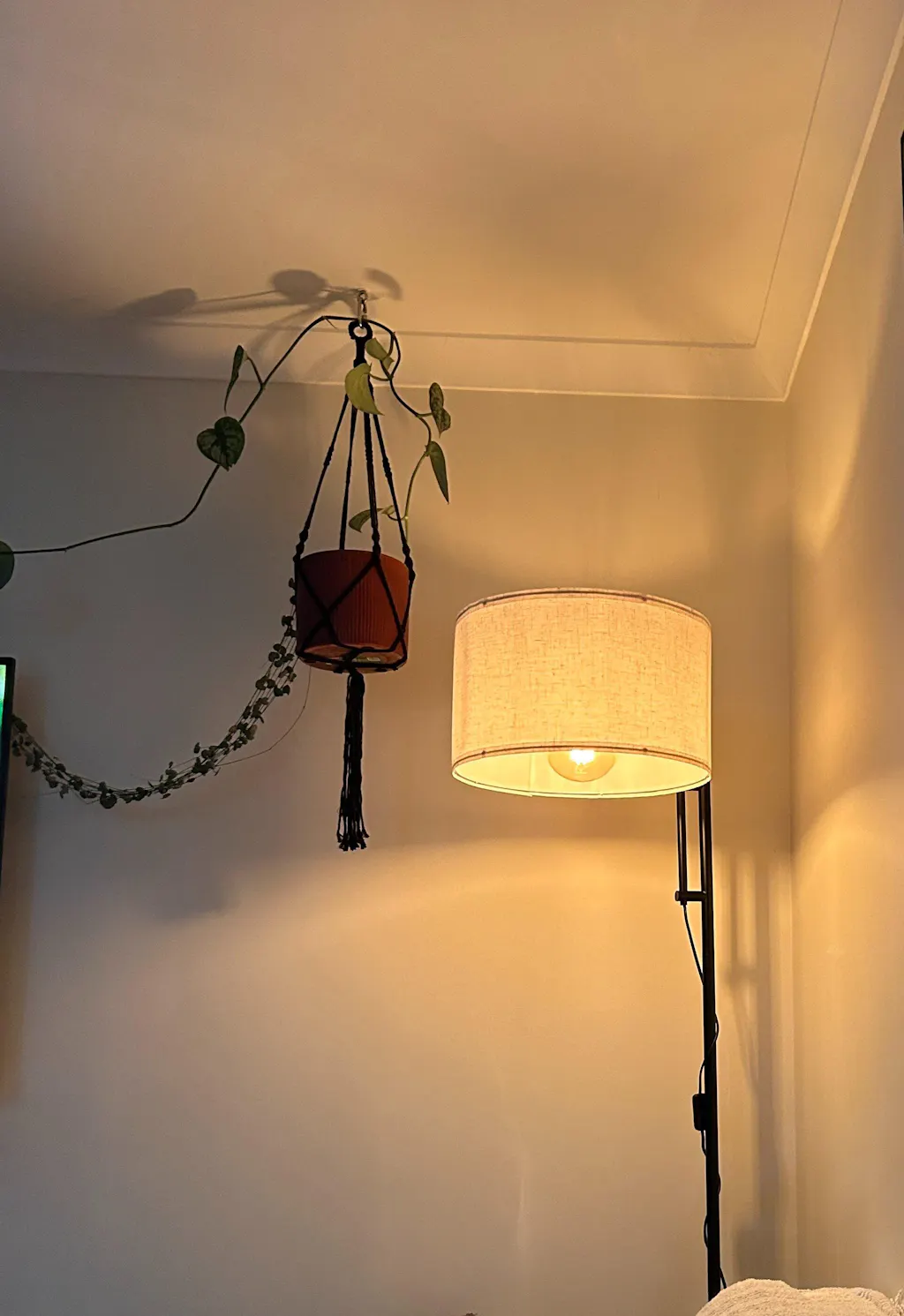
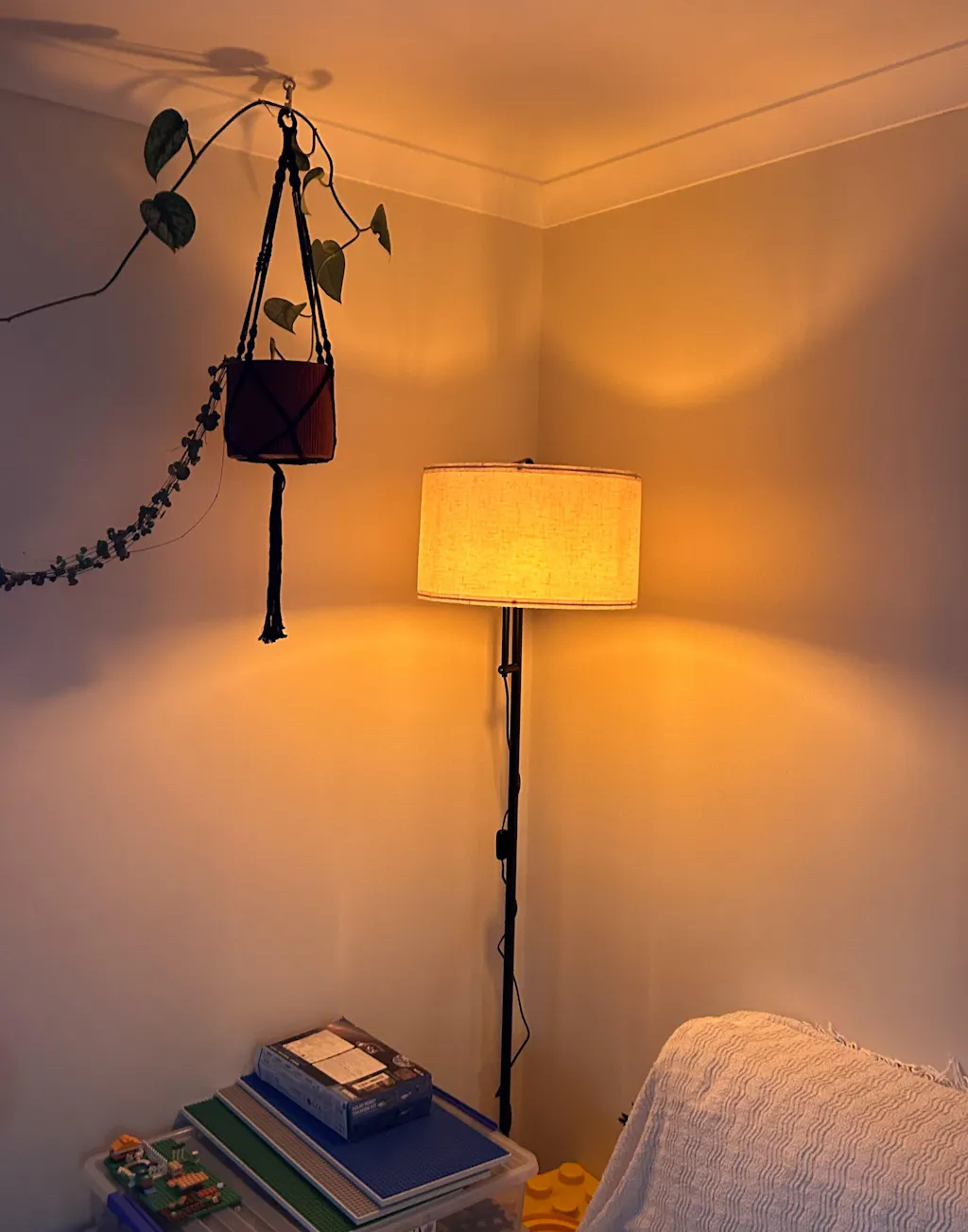
One of the most underrated things you can do when styling a mirror is to consider what else in the room contributes to the lighting. A mirror placed near a floor lamp can effectively double the perceived light output by reflecting both the lamp itself and the glow it casts around it.
A floor lamp beside a full length mirror in a corner is a classic pairing that works beautifully in bedrooms and living rooms alike. The combination is functional, aesthetically considered, and surprisingly effective at making a room feel warmer in the evening. If your space could use this kind of layered lighting it may be worth exploring the floor lamp range at C&F Creation alongside any mirror purchase.
Not all mirrors are made equally, and the difference in quality can be surprisingly noticeable once you know what to look for.
Glass thickness is one indicator. Thicker glass, typically 5 to 6mm, tends to produce a cleaner, more accurate reflection than thinner glass, which can flex slightly and distort the image in subtle but noticeable ways.
The reflective coating behind the glass also matters. Low-iron glass with a high-quality silver coating will produce a brighter, truer reflection than a cheaper product with a greenish or grey tint to it.
Frame finish is the third thing worth checking. Look for smooth joins, consistent colour throughout, and a backing board that protects both the frame and the wall from wear over time.
Most mirrors in New Zealand are delivered flat-packed or boxed with protective packaging. For larger pieces it is worth making sure you have enough space to receive and unpack the item before it arrives, and ideally someone to assist with the process.
Wall mounting requires either mirror-specific hanging hardware or a French cleat system depending on the mirror's weight. For heavier wall mirrors on plasterboard, which is common in newer NZ builds, using wall anchors rated for the mirror's weight is important. If you are unsure a handyperson can usually handle this quickly and inexpensively.
Leaning mirrors like the Grandeur X typically just need a non-slip mat or small furniture dots under the base to prevent any movement.
The right mirror for your home depends on the space, your style, and what you want the mirror to do in the room. A full length arched mirror suits most New Zealand bedrooms and adds a genuinely elegant quality to the space. A round wall mirror works in almost any room and adds visual warmth without much risk.
For larger rooms or entryways something like the Grandeur X floor mirror may be worth considering for the kind of presence it can bring. For a decorative wall feature the Le Vue Window Mirror offers something a little more unusual.
Browse the full length mirror collection or the wall mirror collection at C&F Creation to see the current range and find something that genuinely suits your space.