Floor Lamp Placement Guide: Where to Put One in Every Room
By
C&F Creation Team
🎧
Listen to this articleNarrated by George · 8 min read
There is something a bit magical about a well-placed floor lamp. It pulls a room together in a way that overhead lighting simply cannot. It adds warmth, depth, and that elusive sense of atmosphere that makes a space feel genuinely lived in rather than just furnished. But knowing exactly where to position one can feel surprisingly tricky.
This guide walks through every key room in the home and offers practical placement ideas that may help you get the most out of your floor lamp. Whether you are decorating from scratch or trying to fix a room that feels a little flat, these suggestions could make a real difference.
Why Floor Lamps Matter More Than You Think
Most homes rely heavily on a single ceiling light per room. It is functional, sure, but it tends to wash everything in one flat layer of light. Shadows go missing. Corners get ignored. The room ends up feeling more like a waiting room than a home.
Floor lamps introduce what lighting designers call layering. By adding a light source at a lower level, you create contrast, dimension, and mood. The effect can be subtle or quite dramatic depending on the style of lamp you choose. A tall arc lamp throws light across a wide area. A torchiere sends light upward to bounce off the ceiling. A reading lamp focuses a tight beam exactly where you need it.
Getting the placement right is what makes all of this actually work.
Quick Tip: Light Layering
Think of your room lighting in three layers: ambient (overall brightness), task (focused work or reading light), and accent (mood and atmosphere). Floor lamps can serve any of these roles depending on their style and position. Mixing all three in one space tends to produce the most inviting results.
Living Room Placement
The living room is arguably where floor lamps do their best work. It is a space that benefits from flexibility. Overhead lights are fine for general brightness, but they rarely create the kind of atmosphere you want when you are relaxing in the evening.
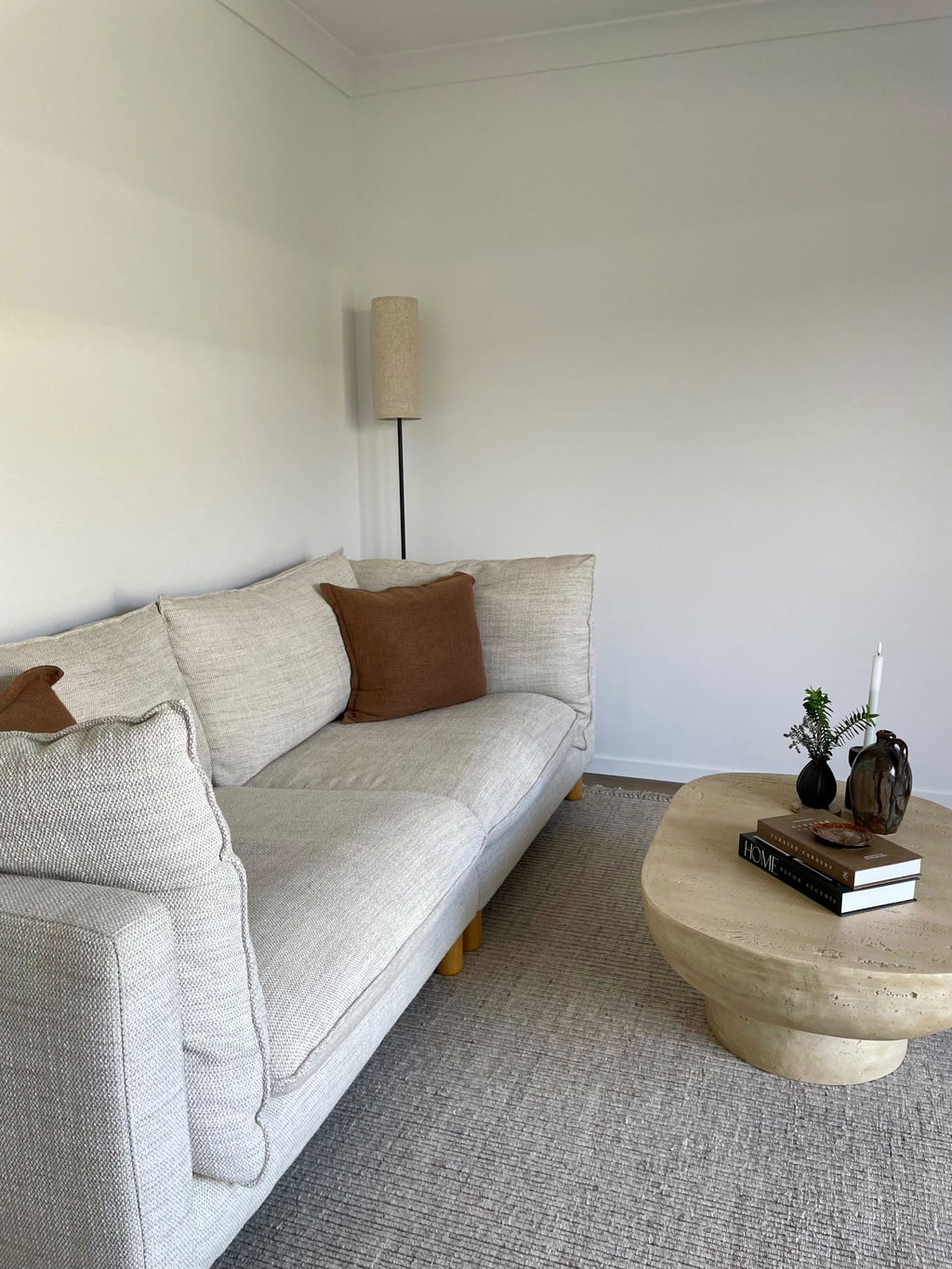
A good starting point is to position a floor lamp near your sofa or main seating area. Placing it just behind and to one side of the sofa adds a warm glow at roughly eye level when seated, which feels far more natural and flattering than light coming from directly above. If your sofa is against a wall, a lamp in the corner behind it can also help fill what might otherwise be a dead zone.
For open-plan living areas, consider using two floor lamps rather than one. Placing one on each side of the sofa creates a sense of symmetry and can define the seating zone within a larger space. This approach may work especially well in rooms where the furniture is not anchored by a rug.
Arc-style lamps that sweep out over a coffee table can be a particularly striking choice in living rooms. They provide overhead-style light without a ceiling fitting and act as a sculptural focal point at the same time.
Keep the lamp base roughly 30 to 45 centimetres away from the wall to avoid it feeling squashed against the room’s edge. If you want it tucked into a corner, angling it slightly outward tends to look more intentional.
With three adjustable heads that you can direct precisely where needed, the Trilogy is well suited to open-plan living rooms where flexibility matters. Its sculptural form also means it works as a design statement, even when switched off.
Bedroom Placement
Bedrooms call for a softer approach. Harsh overhead lighting before bed can interfere with sleep, so floor lamps are a genuinely useful alternative here. The goal is typically warmth and calm rather than brightness.
Bedside floor lamps are a popular choice, particularly in rooms where bedside tables are either absent or small. A slim reading lamp positioned at the side of the bed at roughly 130 to 150 centimetres tall can deliver just enough light for reading without disturbing a partner. Look for lamps with adjustable heads or dimmer switches for maximum flexibility.
In a larger bedroom, a floor lamp placed in a corner near a dresser or wardrobe can add ambient glow and help the room feel more cohesive. If you have a seating area or chaise in the bedroom, a lamp nearby signals that this is a zone for winding down and makes the space feel considered.
Avoid placing floor lamps directly in the line of sight from the bed. If you can see the bulb from where you lay your head, it is likely to feel too harsh. Angling the shade or opting for an opaque shade design can solve this easily.
Its cream pleated shade diffuses light in a soft, downward wash that feels genuinely calming. The curved brass arm and warm-toned base add an elegant touch that suits bedrooms with a refined, neutral palette.
Bedroom Tip: Shade Direction
If a floor lamp feels too bright for the bedroom environment, try tilting the shade slightly toward the wall rather than directly into the room. This creates a softer, more indirect glow that tends to feel much more restful. A warm-toned bulb (around 2700K) can also make a significant difference to the overall mood.
Home Office Placement
Lighting in a home office is about function first. You need enough light to work comfortably, but poor placement can cause glare on your screen or create shadows on your desk that make tasks harder.
A floor lamp works well in a home office when it supplements rather than replaces desk lighting. Placing a tall lamp to the side of your monitor rather than directly behind or in front of it helps reduce contrast between the bright screen and the surrounding room, which may ease eye fatigue over long sessions.
If your desk faces a wall, a floor lamp positioned to the left or right (depending on which hand you write with) can illuminate the work surface without creating shadows from your own hand. This mirrors the same principle used in professional studio lighting.
Try to avoid placing lamps behind your monitor where the light may create screen glare. This is one of the most common placement mistakes in home offices and can be quite easy to fix simply by shifting the lamp a metre or so to one side.
An industrial aesthetic with a practical adjustable head makes the Madox a natural fit for home offices. Its strong vertical presence does not crowd the desk space while still delivering focused, directional light where it counts.
Hallway Placement
Hallways are often an afterthought when it comes to lighting, which is a shame. A well-lit hallway creates a welcoming first impression and helps the home feel connected rather than just a series of disconnected rooms.
Floor lamps can work surprisingly well in hallways, provided the space is wide enough. A slender lamp placed near the end of the hallway draws the eye forward and adds a sense of depth. Alternatively, positioning one near a console table creates a natural landing spot with layered light.
In a narrow hallway, opt for a lamp with a small footprint. A tall, slim design with a compact base will not impede movement and still adds meaningful light. Some hallways also have a natural corner where a lamp can sit without blocking foot traffic at all.
Reading Nooks and Window Seats
Reading nooks deserve their own mention because the lighting requirements here are quite specific. Too little light strains the eyes. Too much creates glare on the page. The sweet spot is a focused, directional beam that illuminates the reading material without flooding the surrounding area.
A dedicated reading floor lamp works best when positioned just over the shoulder on the dominant reading side. The bulb should sit roughly at head height or slightly above when seated, angled downward toward the lap or book. This mimics the kind of light you would get from a well-positioned desk lamp but in a floor-standing format that suits a cosy nook better.
If your reading nook is in a bay window or alcove, a floor lamp can also serve as a design element in its own right. A sculptural base or distinctive shade becomes part of the visual appeal of the nook, even when the lamp is switched off.
Its pleated fabric shade allows warm, diffused light to filter downward in a way that feels genuinely suited to reading and quiet evenings. Works beautifully in alcoves, window seats, and reading corners where a soft atmosphere is the goal.
Dining Room Placement
Floor lamps in dining rooms are less common but can be genuinely effective in the right setting. A pendant light over the table is standard, but adding a floor lamp in a nearby corner or against a sideboard wall can make the room feel warmer and more intimate during evening meals.
This works particularly well in open-plan homes where the dining area flows into the living space. Using a floor lamp near the dining zone helps define the area visually without needing a wall or partition. It signals that this corner of the room has its own character.
Avoid positioning floor lamps in spots where they might be knocked during meals or where the cord could become a trip hazard. The edges of the room, against walls or in corners near furniture like a sideboard or drinks cabinet, tend to be the safest and most effective positions.
Practical Tips That Apply Everywhere
On height: Most floor lamps sit between 140 and 180 centimetres tall. As a general rule, the taller the lamp, the wider the light spread. Shorter lamps tend to produce a more focused pool of light.
On distance from walls: Lamps that sit flush against a wall can look cramped and may cause discolouration over time if the shade is too close. Leaving 20 to 40 centimetres of breathing room usually looks better.
On cords: Cord management matters more than people realise. A trailing cord across a walkway is a hazard. Routing cords along skirting boards or behind furniture keeps the room safe and the look clean.
On layering: Floor lamps work best as part of a lighting system, not as a standalone solution. Pairing them with ceiling lights, table lamps, or even candles gives you the flexibility to adjust the mood of a room without committing to one fixed level of brightness.
On mirrors: If you have a full-length mirror on the wall or leaning against it, placing a floor lamp nearby can amplify the effect considerably. The light bounces off the mirror and adds brightness to the room without needing an additional fitting. A full length mirror paired with a floor lamp in a nearby position can make a space feel significantly larger and brighter.
Tip: Mirrors and Floor Lamps Work Together
Positioning a floor lamp at a slight angle toward a large wall mirror can effectively double its impact. The reflected light spreads further into the room and creates a sense of depth that feels almost architectural. It is one of the simplest ways to make a smaller room feel considerably more spacious.
Choosing the Right Style for the Room
Beyond placement, the style of lamp you choose contributes enormously to the overall feel of the space. A warm brass base suits a traditional or transitional interior. A matte black finish reads as more contemporary or industrial. Marble bases add a sense of luxury and weight. Fabric shades diffuse light gently, while metal shades direct it more sharply.
The Vienna Brass Marble Base Floor Lamp is a beautiful example of a lamp that doubles as a piece of decor. Its marble base and warm brass tones make it a natural fit for living rooms and bedrooms with a refined, elegant aesthetic.
For those who prefer something with more of an urban edge, the Voltaire 3-Light Cage Floor Lamp offers a matte black frame with three open wire cages that pairs well with modern interiors.
You can explore the full range at C&F Creation floor lamps to find a style that suits your home.
A Note on Getting It Right
There is no single correct answer when it comes to floor lamp placement. Every room is different. Every home has its own proportions, furniture arrangements, and natural light patterns. These guidelines are intended as a starting point rather than a rigid formula.
The best approach is often to experiment. Move the lamp around. Try it in a corner, then beside a chair, then near a window. Notice how the light changes the feeling of the room at different times of day. You may find that a position you would never have considered initially turns out to be exactly right.
What tends to hold true across most rooms is that floor lamps work best when they serve a specific purpose, whether that is ambient light, task light, or accent light, and when they are positioned with that purpose clearly in mind. A lamp placed thoughtfully, with intention behind its location, will always outperform one that has simply been set down where it happened to fit.
Take your time with it. Good lighting is one of the most underrated elements of a well-designed home, and a floor lamp in the right spot can genuinely transform a room.
This lamp is perfect when you don’t much space. The foot switch is easy and I love that the light isn’t shining in your face when you sit on the couch. Really love it!
It’s nice but the quality isn’t 5 stars. A few little black dots on timber edge that look like fly spot except they don’t wash off. Not the end of the world but you know..