Listen to this guide
Two full length mirrors can look identical in a listing photo. Same size, same slim black frame, same price bracket, same styled bedroom shot. Then they arrive, and one shows you a straight door frame while the other makes it bend like it is underwater. The difference is not the frame, and it is rarely the price. It is the glass, and specifically whether that glass was tempered or left in its original annealed state.

This guide is that trade off explained without the marketing gloss. Tempering is real engineering with real benefits, and toughened glass (the NZ and UK trade term for tempered, same thing) is the right call in plenty of places around a home. But it changes what a mirror shows you, the glass industry itself says so in writing, and if you are weighing up mirror glass types in NZ before spending real money, you deserve the whole story.
What is the difference between tempered and annealed mirror glass?
Annealed glass is glass in its natural finished state. It comes off the float line as a continuous ribbon, cools slowly and evenly, and is never reheated. That slow cool leaves it relaxed, low in stress and very close to perfectly flat, which is why float glass became the default for anything where the image matters.
Tempered glass starts life as that same annealed sheet. It is cut to final size and edged, then sent through a tempering furnace where it is reheated to roughly 620°C while riding on a conveyor of ceramic rollers. At the exit, both faces are blast cooled with jets of air, a step the trade calls quenching. The quench locks the surfaces in compression, and that compression is what makes tempered glass roughly four to five times stronger than annealed. When it does break, it crumbles into small blunt granules instead of long shards.
Strength is the win. Flatness is the cost. Here is the honest side by side.
| Aspect | Annealed (silvered float) mirror glass | Tempered (toughened) mirror glass |
|---|---|---|
| Process | Cooled slowly on the float line, never reheated | Reheated to about 620°C on rollers, then blast cooled |
| Strength | Standard float glass strength | Roughly four to five times stronger |
| Flatness | Keeps the near perfect flatness of the float line | Roller wave and slight bow, reduced but never eliminated |
| Breakage | Larger, sharper pieces; a shatter resistant backing holds fragments in place if fitted | Crumbles into small blunt granules |
| Typical use | Quality mirrors, picture glass, framed glazing | Glass doors, wardrobe sliders, bathrooms, gyms |
Why does tempered glass distort reflections?
The waves are not a defect from a careless factory. They are inherent to the process, and once you see the mechanism you understand why even careful factories cannot fully remove them.
At tempering temperature, glass is soft. As the sheet travels through the furnace it sags slightly into the gaps between the ceramic rollers, and the rollers themselves press faint marks into the softened surface. Then the quench hits, and it hits fast. Those gentle undulations are frozen in permanently. The trade calls this roller wave: a ripple pattern spaced at the pitch of the furnace rollers, typically around 250 to 300mm apart.
Uneven cooling adds its own family of distortions on top. Overall bow across the sheet. Edge lift near the corners. And stress patterns called anisotropy, faint blotches that become visible in polarised light. None of that matters much in a balustrade. All of it matters in a mirror.

Why do mirrors show waves that windows hide?
Here is the part that surprises people. Most of us have stood next to toughened glass hundreds of times. Shower screens, shop doors, office partitions. Almost nobody notices a ripple. So why does the same glass turn wavy the moment it becomes a mirror?
In a window, you look through the glass. Its two surfaces sit close to parallel, so whatever gentle wave exists on the front face is largely cancelled by the matching wave on the back. Light bends slightly on the way in and bends back on the way out. Your eye never gets told.
A mirror reflects instead. Now every gentle wave in the surface behaves like a weak curved lens, and reflection doubles the effect of the surface curvature rather than cancelling it. Mirror manufacturers describe bow and warp as accentuated or amplified once glass is silvered. So waviness that is genuinely invisible in a shower screen becomes plainly visible in a wardrobe mirror, especially at an angle and from a few metres back. It is why the trade bothers having a name for distortion in a toughened mirror, while the same waves in a shopfront window go unremarked.
What does the glass industry itself say?
You don't have to take a mirror retailer's word for any of this. The paper trail is public, and it is surprisingly blunt.
The UK glass industry's own standard for toughened glass concedes in writing that toughened glass cannot be made as flat as annealed glass. Not difficult. Not rare. Not possible, by the very nature of the process. The same standard notes that roller wave tends to be seen in reflection rather than through the glass, which is a polite way of saying mirrors are where it shows.
The tolerances tell the same story. The UK and European toughened glass standard permits the most roller wave on the thinnest glass: up to 0.5mm of wave depth on glass from 3 to 5mm, tightening to 0.3mm on 6 to 10mm. Most full length mirrors are made from 3 to 5mm glass, which sits squarely in the most permissive band.
Across in the United States, the dedicated quality standard for silvered mirrors, ASTM C1503, covers annealed glass only. A tempered mirror sits outside the scope of it entirely. The mirror standard simply was not written for glass that has been through a tempering furnace. Several major mirror manufacturers have either stopped producing tempered mirrors or exclude their appearance from warranty, because heat treatment marks show in the reflection.
And here at home. Metro Performance Glass, New Zealand's largest glass processor, does not offer a toughened mirror at all, as at July 2026. Their stated reason is that a toughened safety glass mirror "will normally show distortion in reflected images due to the glass toughening process". When the country's biggest glass processor declines a whole product category, that is worth sitting with for a moment.
The honest case for tempered glass
None of the above makes tempered glass bad, and we're not going to pretend otherwise. Toughened glass is a genuinely clever material and a fair choice for some uses. It is roughly four to five times stronger than annealed glass, and when it fails it crumbles into small blunt granules rather than shards. That is exactly the behaviour you want at body height beside a bath or in a busy hallway.
So where does a toughened mirror belong? On glass doors and mirrored wardrobe sliders, where the glass is part of a moving panel that gets slammed. In bathrooms and steamy ensuites close to hard tiles and wet floors, the kind you find in every Tauranga new build. In gyms, where a dropped dumbbell is a matter of when, not if. In those spots the strength argument wins, and a slightly soft reflection is a reasonable price to pay. New Zealand's building rules also require safety glass in certain specific locations, and we have written a plain English guide to exactly where those lines fall: do mirrors need to be safety glass in NZ.
Two practical constraints are worth knowing before you buy one, though. Toughened glass cannot be cut, drilled or edge worked after toughening. A tempered mirror has to be cut to size and edged first, then toughened, then silvered, in that order. So there is no resizing one later, and the flatness of the mirror you receive depends entirely on how well that particular tempering run went.
An honest note on modern furnaces. Tempering has improved. Modern furnaces with optical scanners have substantially reduced roller wave, and premium fabricators achieve much tighter distortion than they did a decade ago. But the industry consensus stands: in the roller furnaces that process mirror thickness glass, roller wave can be reduced, not eliminated.
What C&F uses instead: silvered float glass with a shatter resistant backing
Silvered mirror glass is the traditional answer, and it is what we build every C&F mirror around. It starts as flat float glass, cooled slowly on the float line and never reheated on rollers, then coated on the back with layers of silver that do the actual reflecting. Because the glass is never softened again, it keeps the near perfect flatness it was born with. That is the whole trick. There is no clever workaround in it; the glass is flat because nothing was ever done to it that could take the flatness away.
Our range uses optically flat silvered float glass in 3, 4 and 5mm, in single or double silver. Double silver adds a second layer for better reflectivity and stronger resistance to moisture and oxidation. The silvering itself is copper free, so there is no corrosion prone copper layer hiding behind the glass. We cover that choice properly in our double vs single silver mirror guide. Several of our lines also use low iron ultra clear glass for truer colour, which has its own guide as well.
Safety is handled the traditional mirror trade way: a shatter resistant backing bonded to the rear of the glass. If the glass is ever broken, the backing holds the fragments together instead of letting them fall. You keep the true reflection of float glass and still have a sensible answer to the what if. For a bedroom, hallway, lounge or dressing room, that combination is what we would choose for our own homes, because it is what we have.
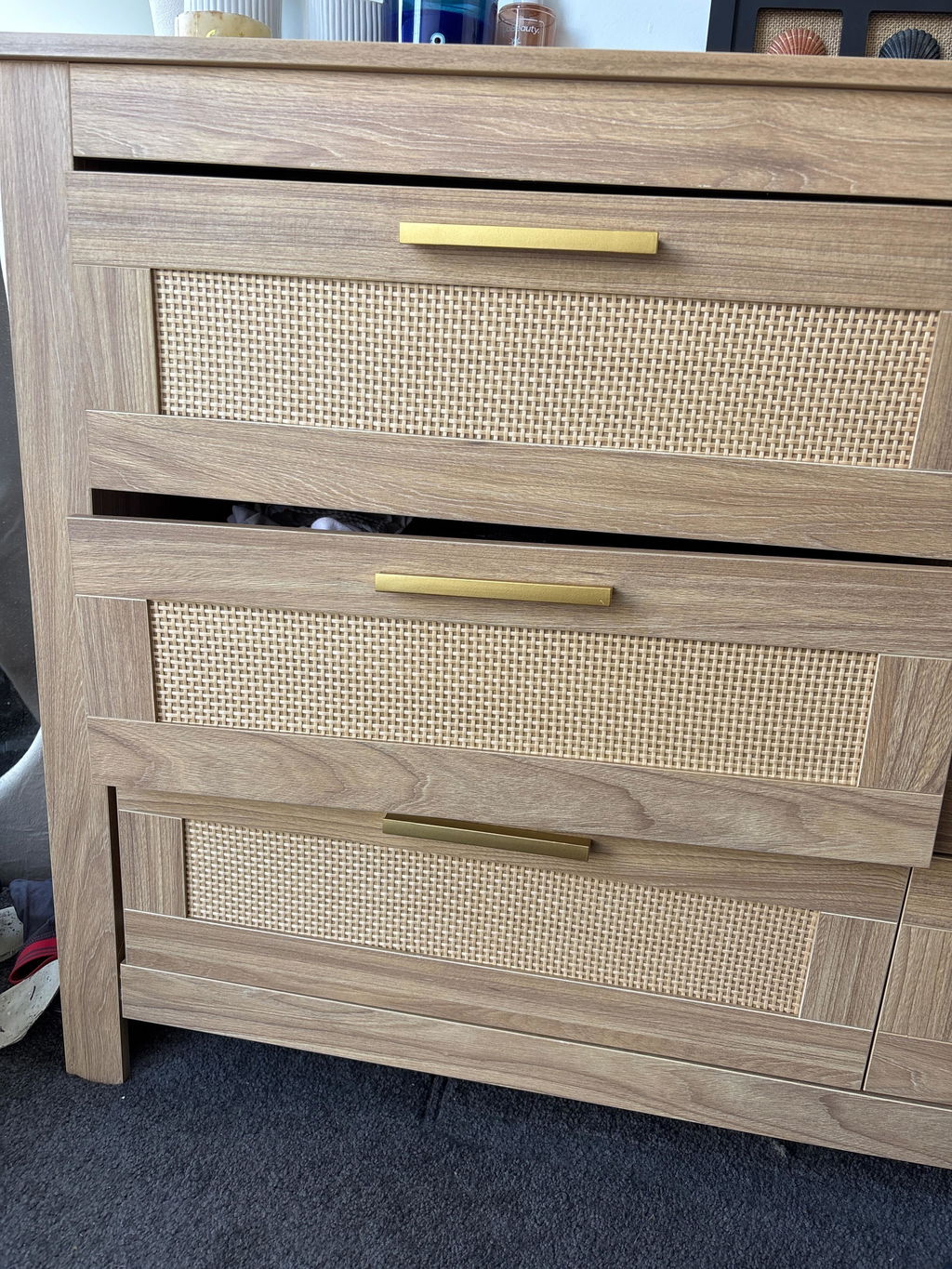
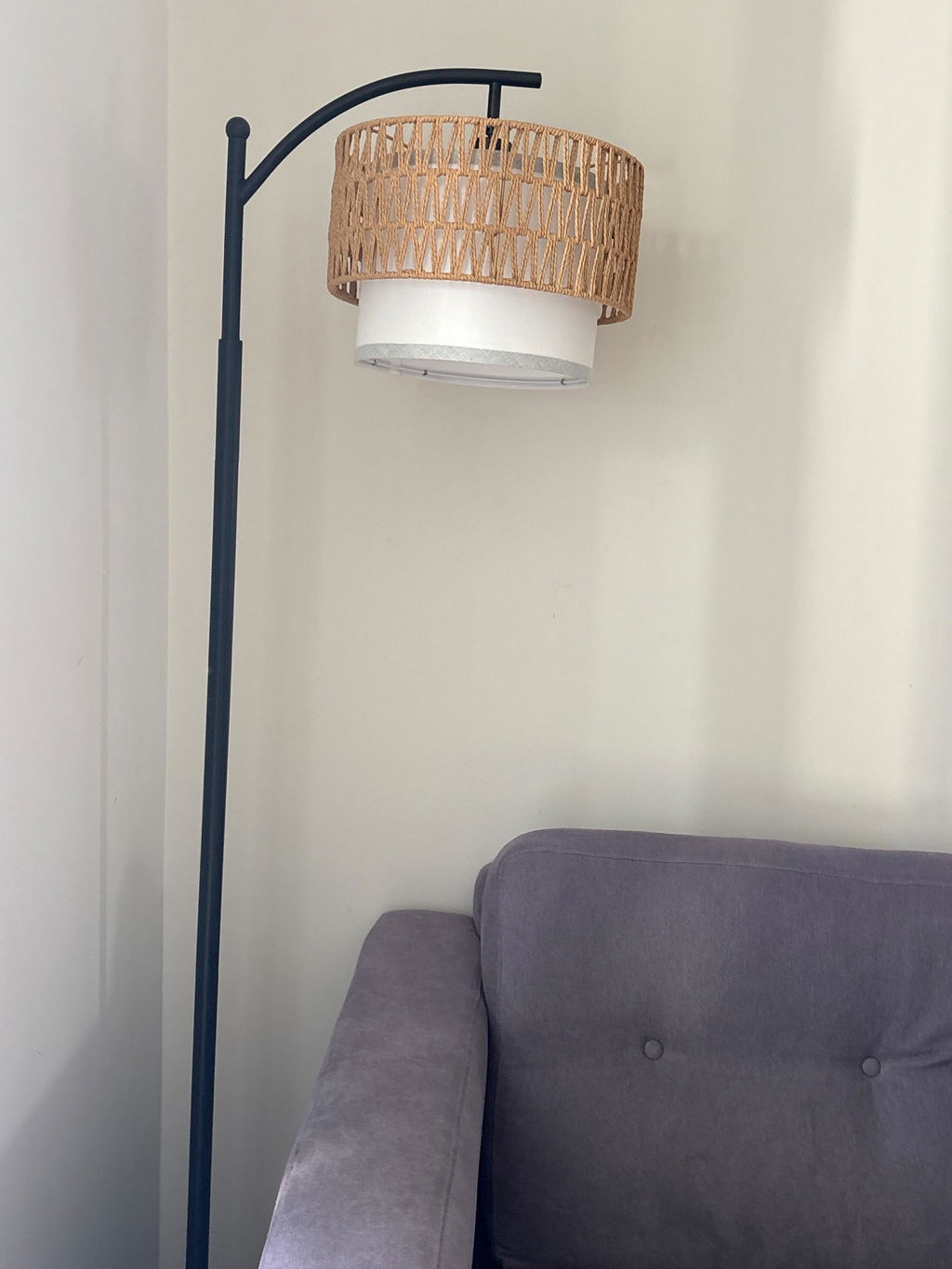
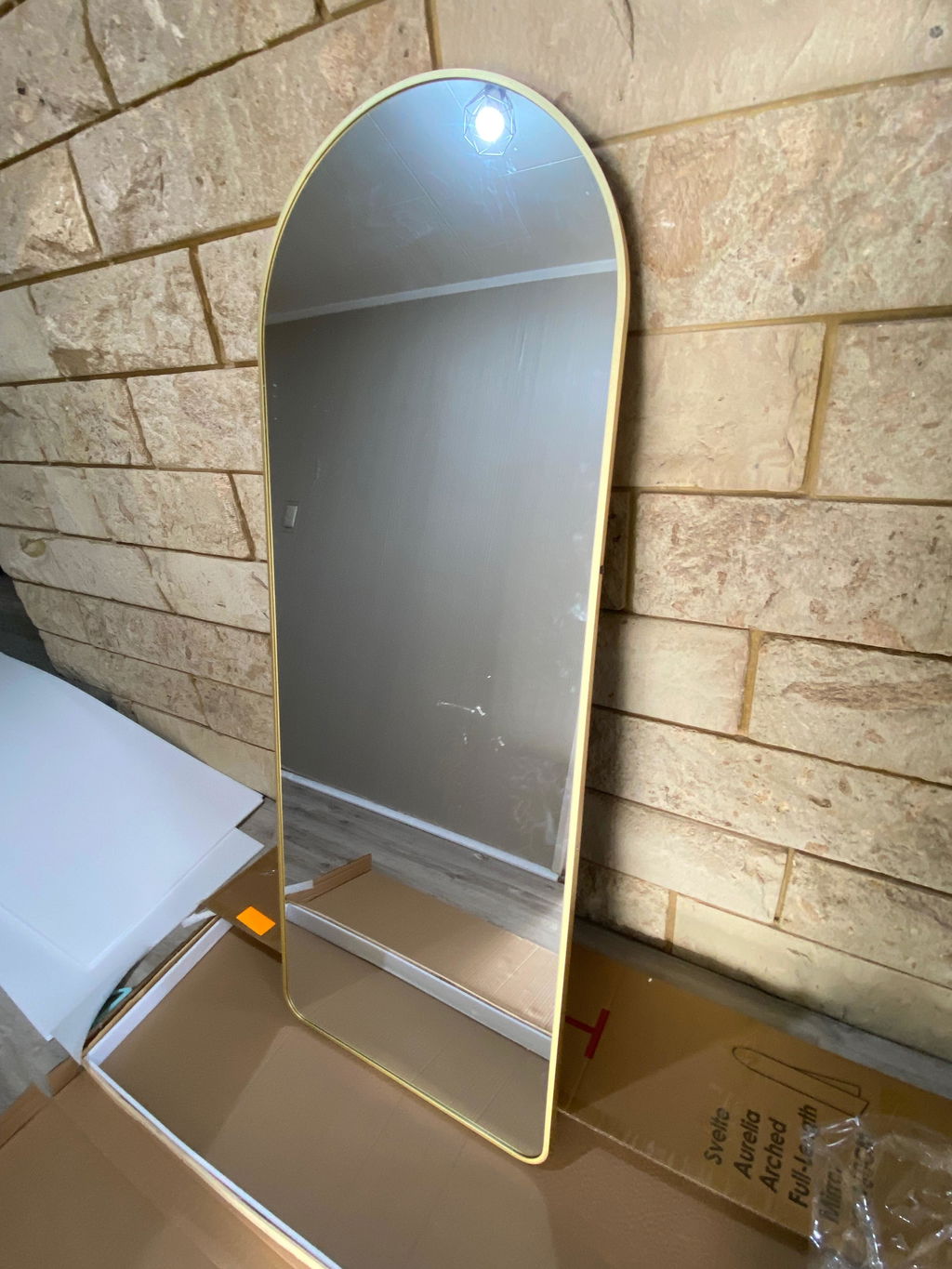
Three of our most popular examples, all in stock now. Prices are current and Afterpay is available at checkout.
Rated 4.9 stars from 224+ reviews. NZ Owned and designed, with delivery NZ wide via Mainfreight at live rates.


How to check any mirror before you buy
You don't need lab gear. You need your feet. Stand a few metres back and find a straight line in the room: a door frame, a tile line, the long edge of a panel door in a Dunedin villa hallway, the side of a wardrobe. Now walk slowly past the mirror and watch that line travel across the glass. On flat glass, the line stays a line. On wavy glass, it bends and swims as it crosses.

Distortion shows most at an angle and from a distance, so a small mirror viewed straight on can hide a lot. Don't judge glass by leaning your face into it. Step back, keep moving, and watch the lines. Do it in the showroom, or do it the day the courier leaves, while the mirror is still leaning against the wall of your Auckland townhouse.
One boundary worth drawing. This test is for choosing a mirror before you buy. If a mirror you already own has gone wavy on the wall, the cause is often the backing, the mounting or the wall rather than the glass itself, and we have a separate guide that diagnoses exactly that: why your reflection looks wavy. And if two genuinely flat mirrors still seem to show two slightly different people, that is perception rather than glass, which we unpack in why you look different in different mirrors.
Frequently asked questions
Is tempered glass bad?
No, and it deserves better than that framing. Tempered glass is roughly four to five times stronger than annealed glass and breaks into small blunt granules, which makes it the right choice for glass doors, wardrobe sliders, bathrooms and gyms. The trade off is flatness: the process leaves roller wave in the glass that can be reduced but never eliminated, and a mirror reveals that waviness in a way a window does not. It is a fair choice for some uses; a softer reflection is simply part of the deal.
Can tempered mirrors be cut to size?
No. Toughened glass cannot be cut, drilled or edge worked after toughening. A tempered mirror must be cut to its final size and edged first, then toughened, then silvered, in that order. That means no resizing later, and it also means the flatness of the mirror you receive depends entirely on the quality of that particular tempering run.
Do NZ homes legally need safety glass mirrors?
In most ordinary spots, no, but it genuinely depends on where the mirror goes and how it is fixed. New Zealand's safety glazing rules target specific locations rather than mirrors as a category, and we walk through where those lines fall in our plain English guide: do mirrors need to be safety glass in NZ.
What is silvered mirror glass?
Silvered mirror glass is flat float glass that is cooled slowly, never reheated, and coated on the back with layers of silver that create the reflection. Because it never goes back through a furnace on rollers, it keeps the near perfect flatness of the float line, which is why it is the traditional choice for quality mirrors. Paired with a shatter resistant backing that holds fragments together if the glass is ever broken, it gives you a true reflection and a sensible answer on safety.
Where to from here
If a true reflection is the point of the exercise, start with the full length mirrors collection and use the walk past test on whatever you shortlist, ours included. And if you want the full picture on sizes, frames and placement before you choose, our 2026 full length mirror buying guide covers it end to end, with Afterpay at checkout and delivery NZ wide via Mainfreight, from Kerikeri to Invercargill.
Written by the C&F Creation Team.